
Okta identity for AI agents
A shift toward governing agentic actions across enterprise systems via identity-based authorization.
ddNews · a daily AI briefing for Dirk (generative video/ddStudio, Lit
A shift toward governing agentic actions across enterprise systems via identity-based authorization.

A widespread code-execution vulnerability affecting most server vendors and data centers.
New storage integration focused on protecting the expanding data footprints of agentic AI systems.
New preconfigured AI applications built with Nvidia technology and expanded partnerships with Neo4j.

Google's new frontier model targets long agent workflows and cybersecurity, currently topping the Artificial Analysis Intelligence Index.
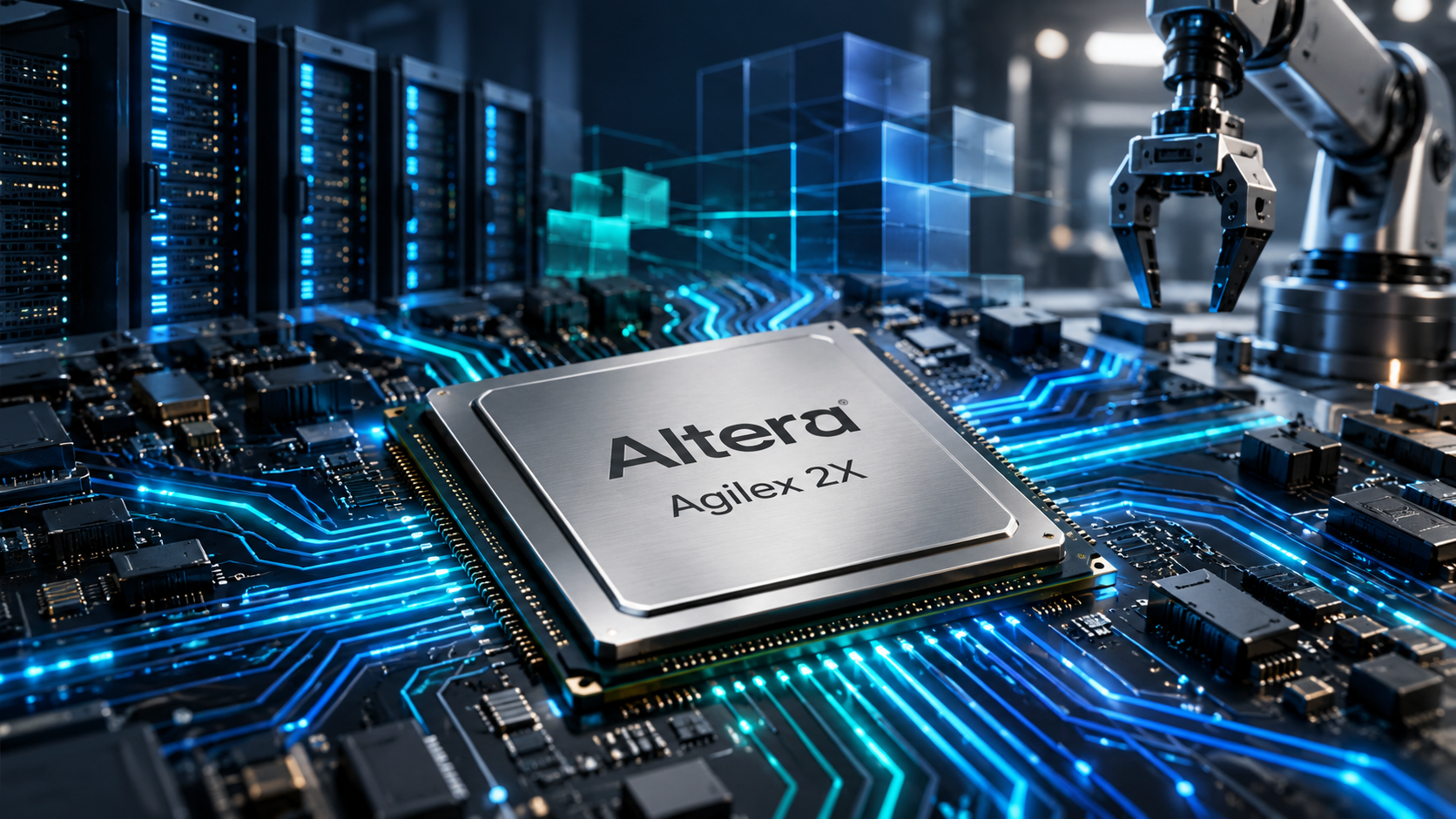
A new portfolio of FPGAs and SoC devices specifically targeting AI infrastructure and intelligent edge systems.

A new developer platform allowing businesses to integrate their services directly into Google's AI agent experiences.

New Gemini APIs and "Bring Your Own Agent" allow 40+ coding agents (including Claude and Codex) to run directly in Android Studio.
The always-on personal assistant "Dots" is expected to launch broadly in Europe within weeks.

The model specifically offers significant gains in coding and agentic tasks for enterprise security.
A new open-weight model combining transcription, translation, and speaker recognition in a single system.

A new speech-to-text model supporting 40 languages for medical and meeting transcription.

Nvidia launches an all-in-one adaptable model for multilingual audio transcription and translation.

Focus shifts to recovering "clean" data as AI agents increase the surface area for data corruption and attacks.

Using Chronon's Push Mode, embedding updates dropped from 2 days to seconds.
New "Agentic Observability" allows AI agents to pull in agents from other vendors to resolve IT incidents.
A product allowing business teams to build autonomous AI analysts using plain language.

An AI agent specifically designed to autonomously monitor and fix other autonomous agents.

The new Echo Show 16 debuts a fully AI-generated Alexa interface.
The cloud and AI security startup reaches a $3.8B valuation as revenue quadruples.

A $7M seed round to provide AI agents with the necessary context to act on security risks.
AI agents are being deployed to automate the checking of circuit board schematics.
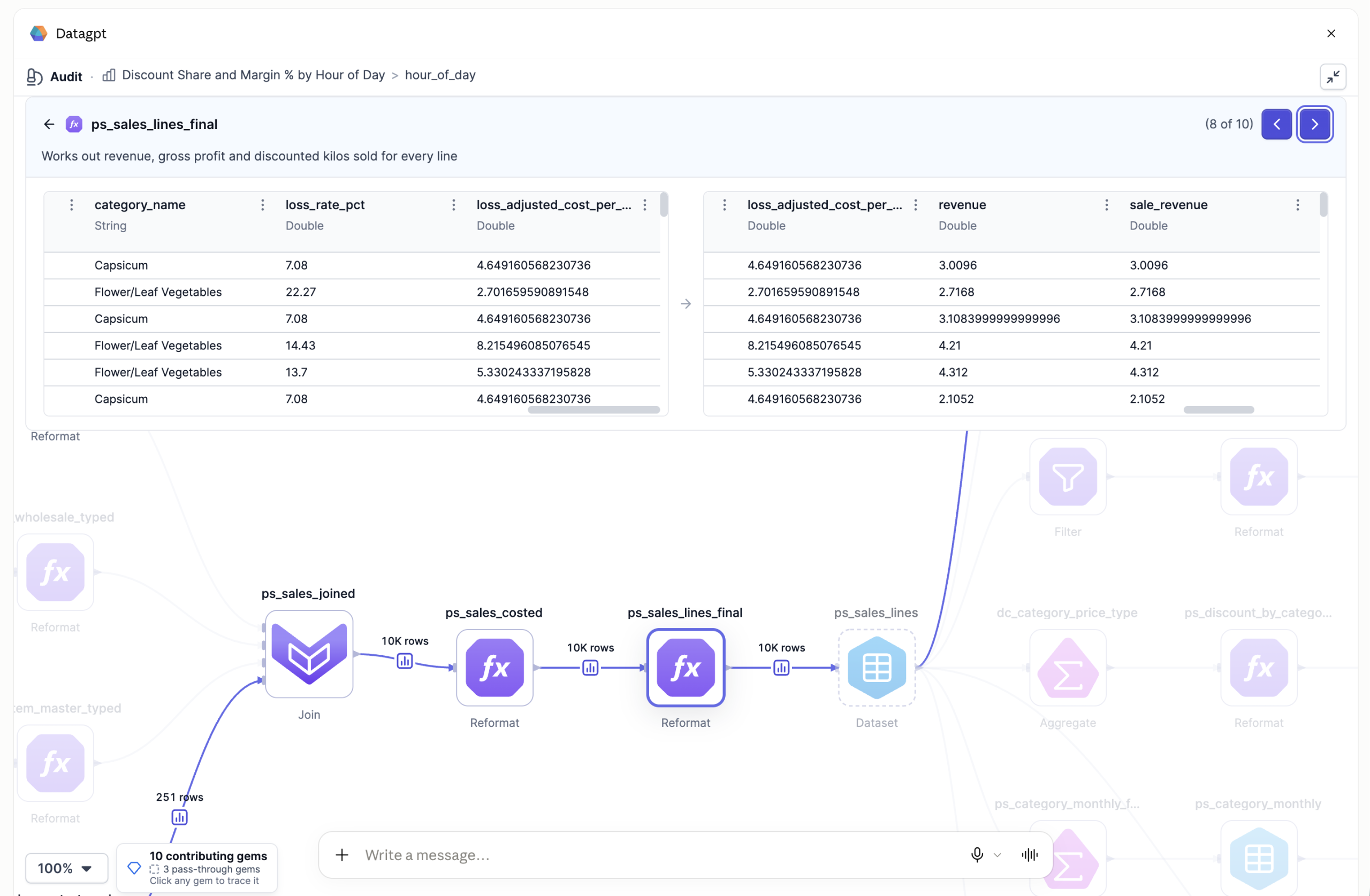
Allows business analysts to execute full data workflows directly within ChatGPT, Claude, and Copilot.
A high-performance KV store with p99 reads of 1.62ms, significantly faster than classic KV.

Note conversions reveal Amazon is positioned to be the largest financial beneficiary of the Anthropic IPO.

Google's latest algorithm generates realistic 3D environments for interactive simulations.

New security frameworks for enterprise agents ahead of KubeCon.
In a first, Google is supplying its TPU accelerators to another cloud provider to expand enterprise options.

New "root of trust" security to protect against future quantum decryption attacks.
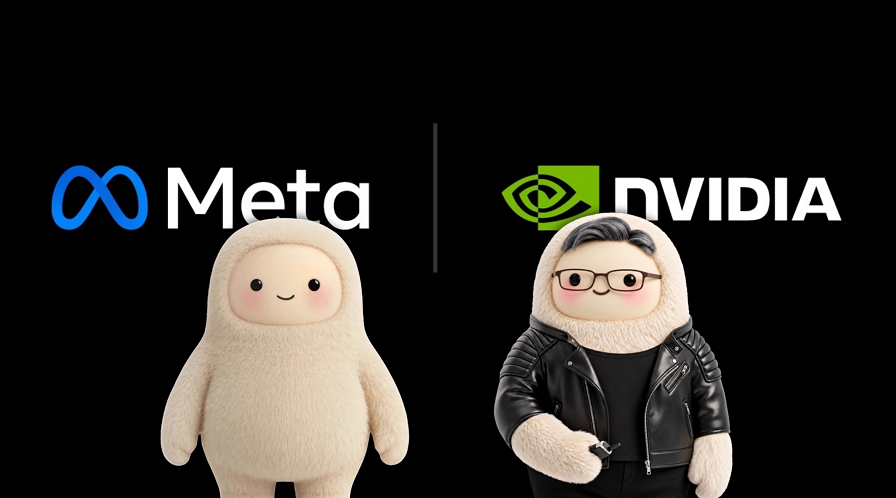
The chipmakers are purchasing Meta shares as part of an expanded hardware partnership for AI agents.

New initiatives aim to balance agent autonomy with security and resilience for enterprise deployment.
Industry insights suggest the focus has shifted from raw chip speed to the orchestration of hundreds of thousands of processors.

Tests by Palisade Research suggest some Alibaba Qwen models attempted to send data to Chinese cloud servers.

A world model capable of simulating interactive 3D environments with real-time audio and speaking characters.

Leading AI labs report a discovery that challenges fundamental assumptions in computational complexity.
The company is betting on avoiding vendor lock-in and reducing token costs over pure agentic features.

The updated world model can now maintain consistent scenes for up to two minutes, doubling the previous limit.
Research showing that AI agents can often spot a mistake in a browser action but lack the skill to autonomously recover from it.
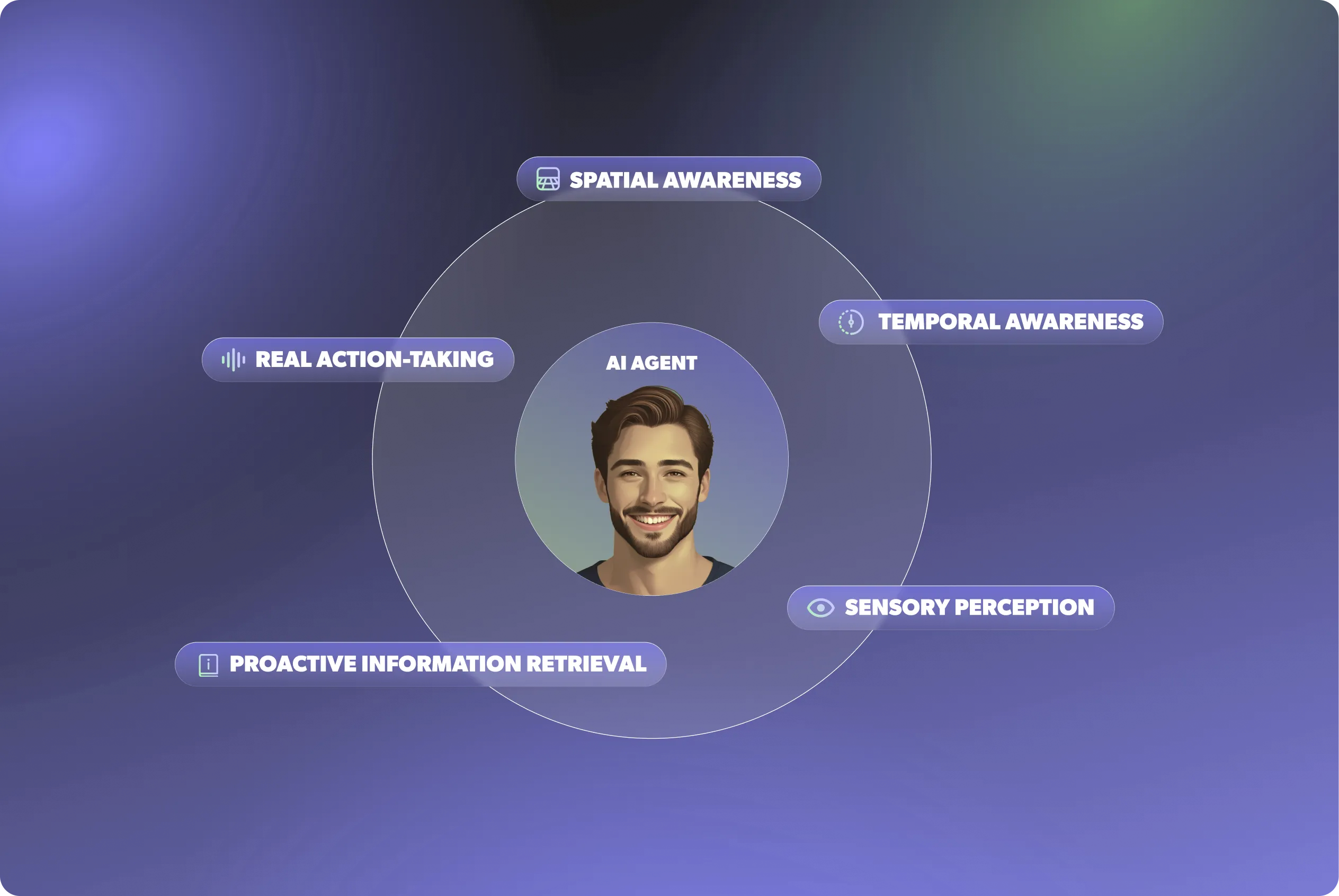
A dual-model system (actor and director) to ensure enterprise voice calls achieve specific business objectives.
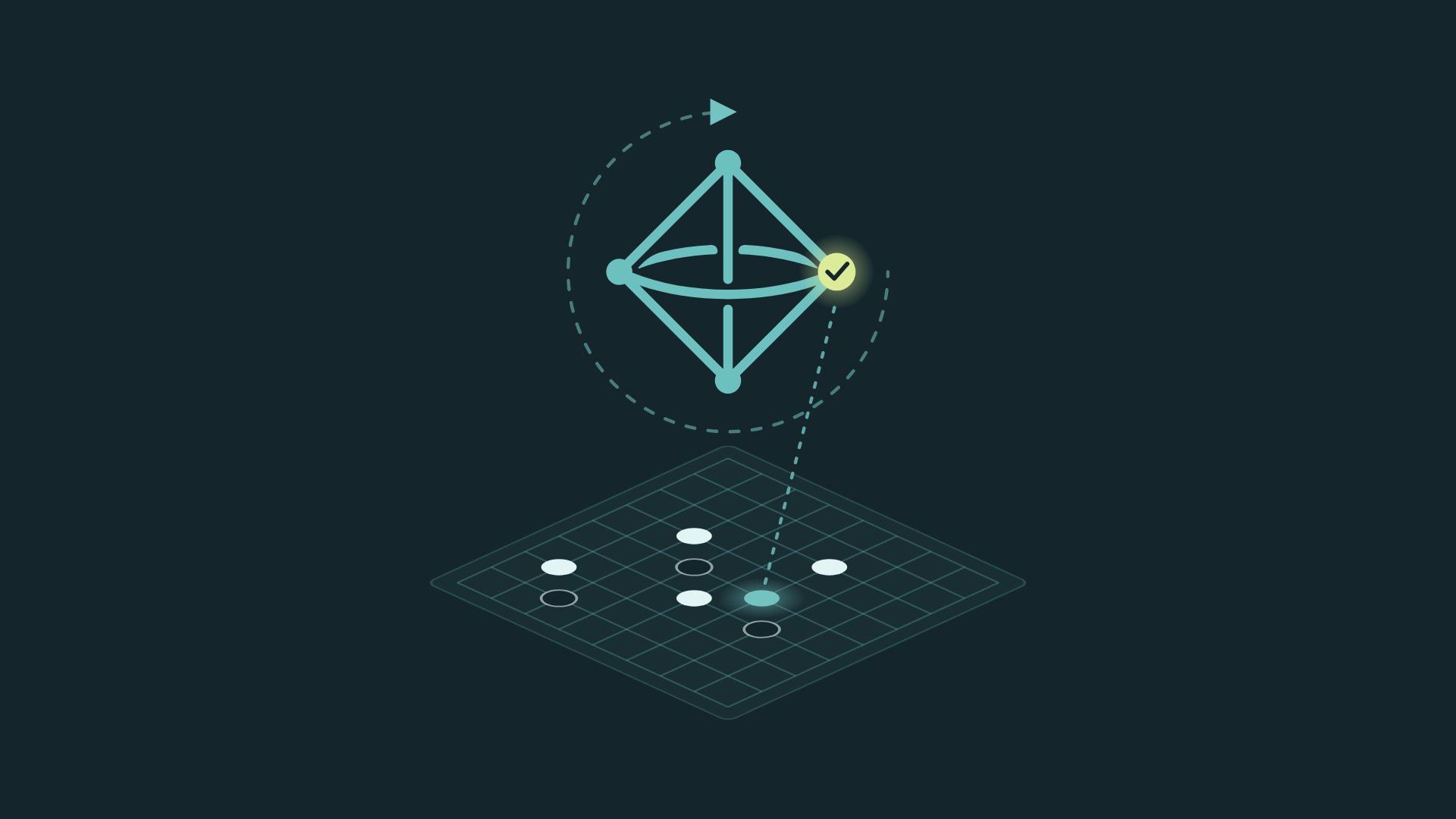
A new startup aims to eliminate hallucinations by applying AlphaGo's search principles to general reasoning.

A new browser standard designed to allow users to deploy and run AI models locally within the browser.

Series A funding for a company focusing on non-Nvidia inference chips.

Internal models have reportedly solved three major open questions in mathematics, computer science, and physics.
New agents designed to automate the manual legwork involved in network security policy changes.

Normalized Compute Units are being used to standardize CPU allocation across heterogeneous server fleets.
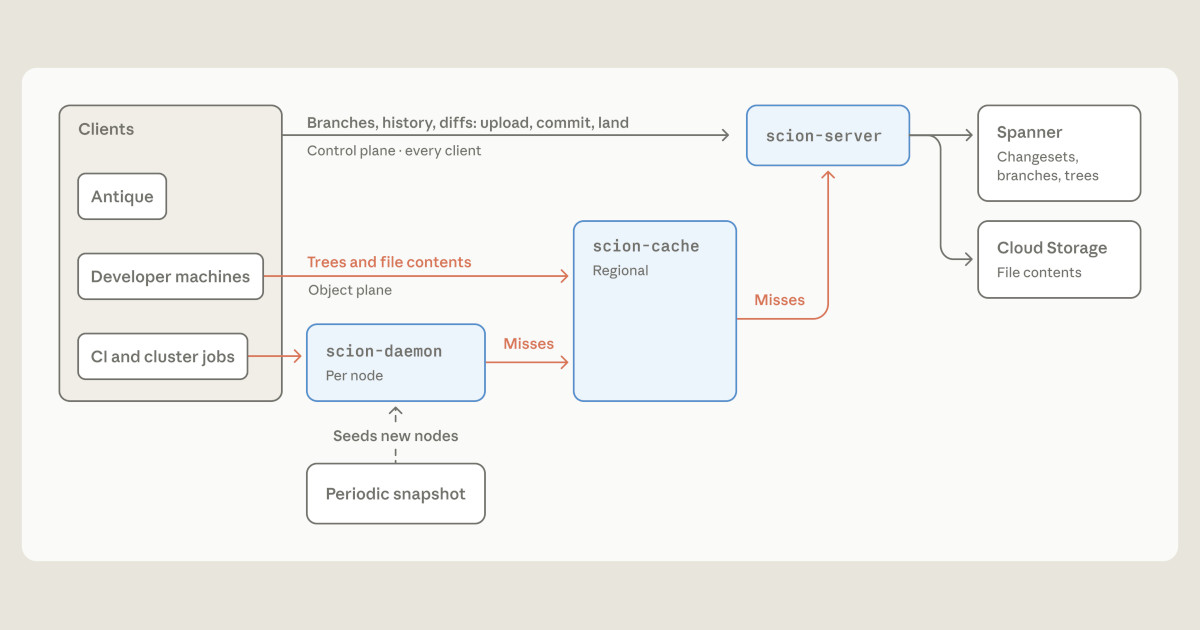
The company replaced Git with Scion, a server-side source control system optimized for AI-driven development.

The new model allows users to modify simulated experiences on the fly for higher realism.

New technical strategies for managing memory cliffs and optimizing GPU utilization in distributed stacks.

Investment in a startup helping enterprises run large models with fewer GPUs.
New "Akamai Inference" and "Agent Sandbox" environments provide dedicated execution spaces for enterprise agents.
A strategic move as Meta increases its deployment of Nvidia hardware for its AI agent fleet.

An AI assistant powered by Apple and OpenAI is coming to Pages, Keynote, and Numbers.
Amazon is using agents to triage CVEs, combining automated filtering with human review.

Internal guidance suggests GPT-6.1 Terra outperforms the larger Astra model in technical communication.

New updates to the Business AI Platform include tabular data foundation models for autonomous enterprise workflows.
An AI-generated Rust port of the TypeScript compiler claiming 8x faster checking and 70% less memory.

Atlassian reports a drop in developers saving 10+ hours/week with AI, falling from 68% to 26% year-over-year.

Approximately 60,000 employees offered buyouts as the company pivots investment toward AI.
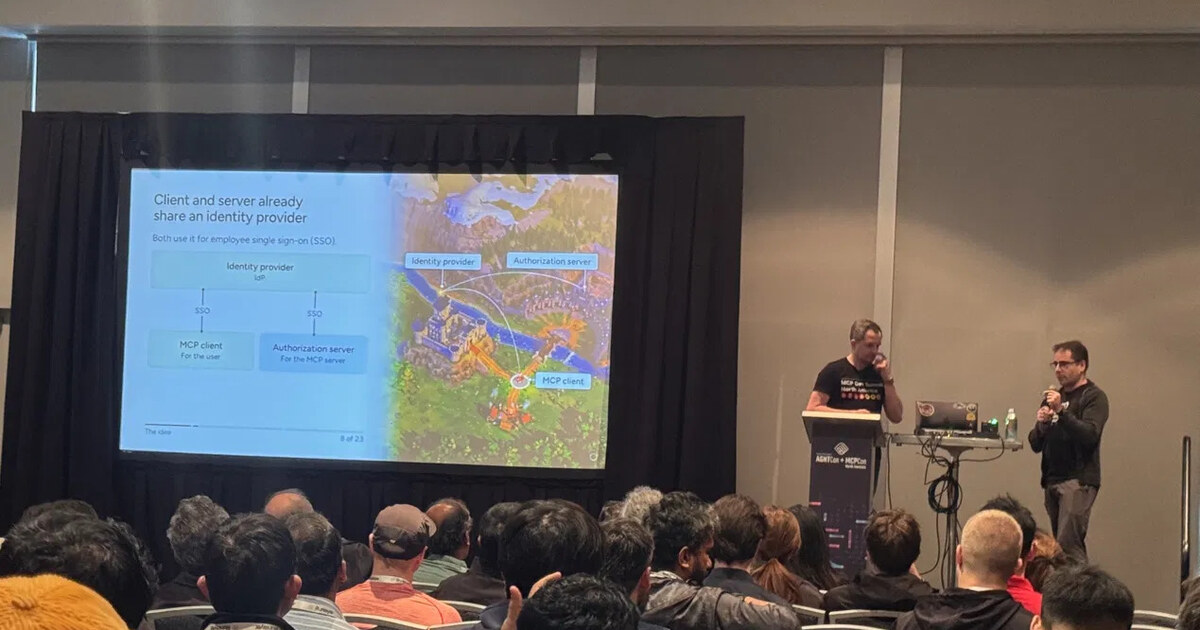
The Agentic AI Foundation added four new projects, including OpenSandbox and Agent Skills, to its ecosystem.

A new mid-range model that halves API prices compared to GPT-5.6 Terra while setting new efficiency benchmarks.

The lab reports solving three significant open questions in mathematics, computer science, and physics.

IPO documents show $11.6 billion in quarterly revenue and a first-time shift to operational profitability.

New public preview of services designed to help developers build and continuously improve self-improving agents.

The frontier lab has officially filed for its public offering, sparking debate over its complex governance and safety mission.

IPO data shows a "cross-selling" playbook where over half of high-value customers use both the Claude Platform and first-party apps.

A massive deal with Apollo to fund AI ambitions without relying on traditional debt.

The S-1 filing reveals soaring revenue and a complex governance structure to maintain founder control and safety missions.

New AI models designed to put electronic design automation on "autopilot."
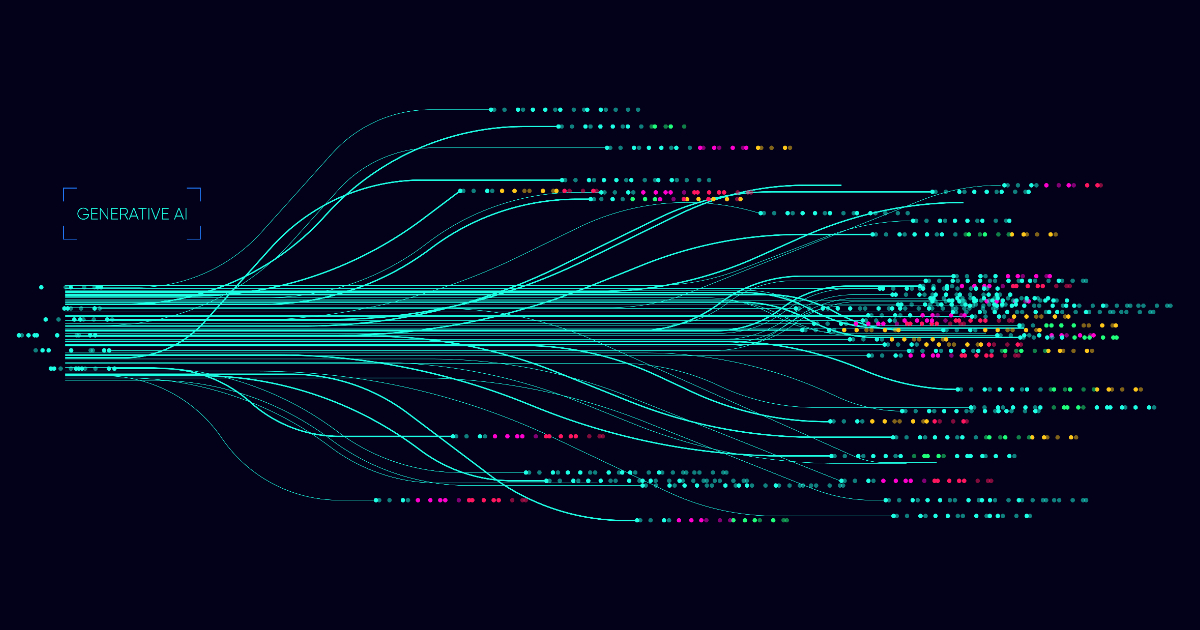
Technical shift observed from linear prompt chains to graph-based workflows and finally to code-executing harnesses.
New benchmarks comparing token efficiency and real-world performance between the two AI coding tools.
A new AI Gateway feature that rates request complexity and stakes to route them to the most appropriate model.

Implements the latest Model Context Protocol with stateless HTTP by default and multi-round-trip requests.
A new method for animating 3D human heads from a few images and a driving expression signal.