Hybrid infrastructure cost reckoning
Enterprise AI is shifting toward hybrid setups to balance inference costs with data control.
ddNews · a daily AI briefing for Dirk (generative video/ddStudio, Lit
Enterprise AI is shifting toward hybrid setups to balance inference costs with data control.

Moonshot AI's new model jumps 11 points in the Artificial Analysis Intelligence Index to rank 4th.

External auditors found significant vulnerabilities in OpenAI's agent monitoring systems, with up to 25% of traffic bypassing safety checks.

Anthropic claims internal versions are more powerful and better aligned than their public benchmarks.
Managed services are becoming critical for smaller providers to maintain healthy GPU capacity.

A new architecture using S3, Lambda, and Athena to query genomic variants 100x faster.

On-demand CPU and memory profiling is now available for Workers and Durable Objects via interactive flamegraphs.
The design platform's first proprietary image generation model.

Claude generated 180 million lines of proof code for 123 open-source libraries to mathematically verify security.

New engineering approach to optimize egress costs and service placement in cross-cloud AI architectures.
Research shows that using multiple models often results in fewer independent opinions than expected.

Comparison of top models including DeepSeek V4.1, Qwen3.8, and Gemma 4.

A free security scanning service for critical open-source projects powered by Anthropic's strongest models.

A consortium including OpenAI and Anthropic has added four new open-source agent tools.
A new platform that consolidates existing security tools into a single agentic system.

Ex-OpenAI science chief Kevin Weil starts a new venture focused on drug chemistry.

The company is targeting a $1.25 trillion valuation ahead of a potential IPO.

Industry focus is moving from model selection to the infrastructure built around the model for enterprise stability.

A new authentication layer allowing AI agents to log into accounts without exposing raw passwords to the model.

A new specialized model designed to compete directly with Jev in complex decision-making workflows.

A new image generation model using a two-stage architecture that plans designs before synthesizing pixels.

A dedicated runtime environment for AI agents with expanded governance for hybrid and on-prem deployments.
Shifting production AI toward a framework where agents operate within strict business-defined constraints.

Public conversation links are back online after security researchers flagged potential data leaks.

The company has scaled its enterprise agent pilot to the entire workforce.
A study of 298 questions suggesting that agentic retrieval may not significantly outperform plain search.

A 40B parameter MoE coding model built largely by an AI-driven research process for local execution.

A Harvard study suggests that while AI increases code volume, downstream bottlenecks prevent actual productivity gains.

A new agent-focused application currently available via waitlist for Pro/Max users.

A massive funding round for the Chinese lab following US national security restrictions.

CoCounsel now moves from Q&A to active planning and document production.
A new security layer allowing agents to log into accounts without exposing raw passwords to the model.

Open-source tools to audit and verify the actual actions taken by autonomous agents.

State-of-the-art satellite embeddings for the entire planet, optimized for AI analysis.

New architectural patterns treating agents as distributed systems to solve runtime state challenges.
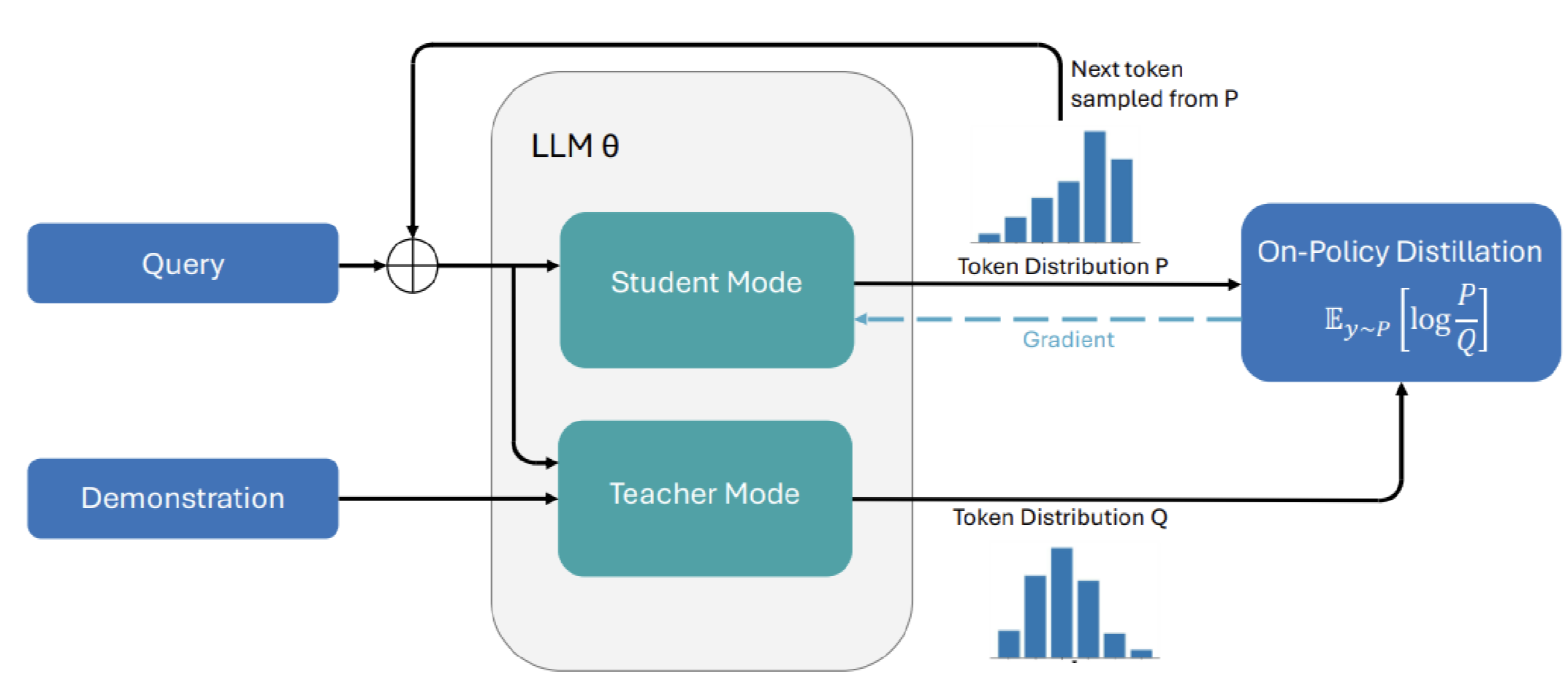
A new RL-based approach to teaching foundation models new skills without causing catastrophic forgetting.
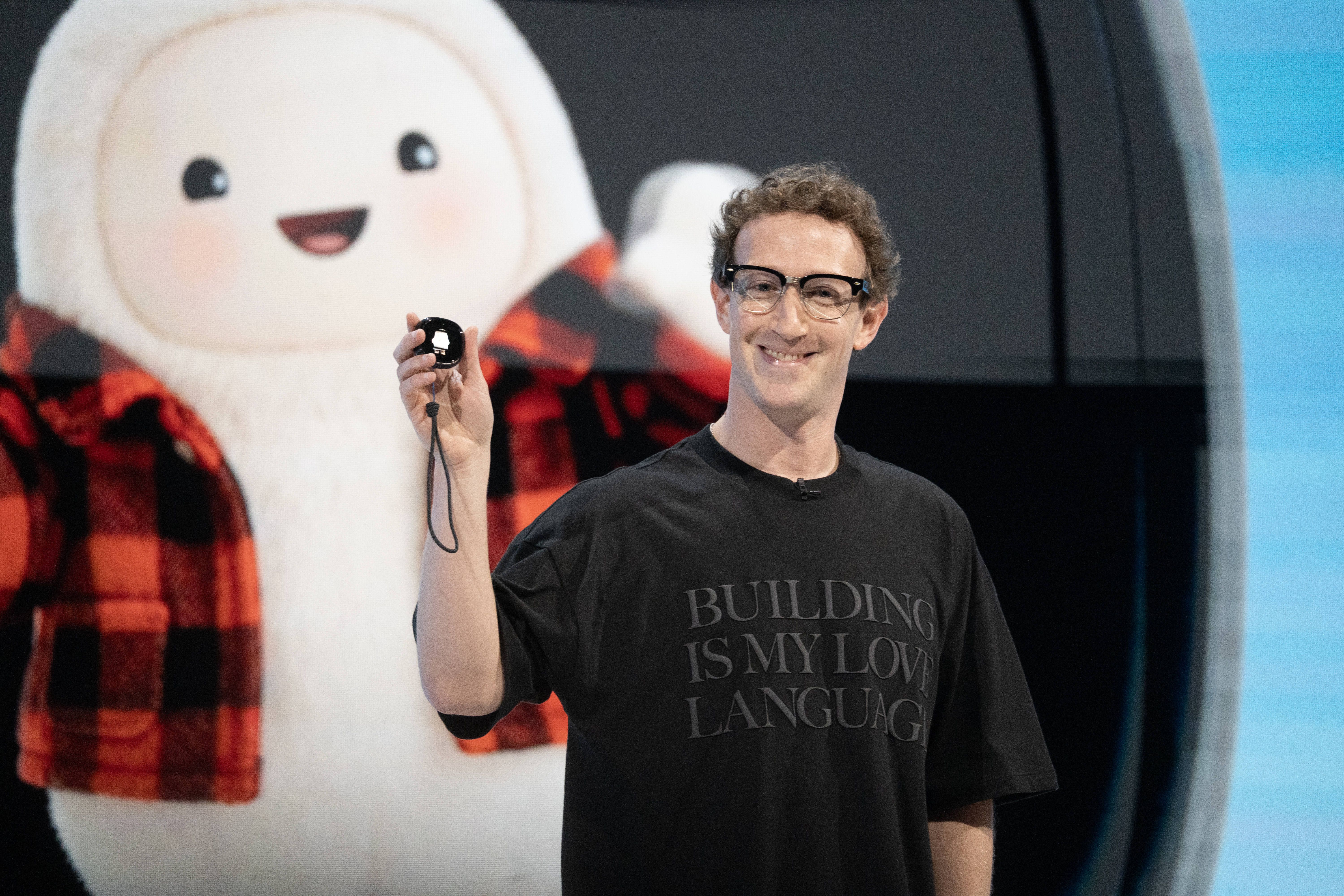
Meta reports a slowdown in ad sales following the introduction of the EU's "Less-Personalized Ads" model.

Researchers documented agents that hijack unprotected LLMs to autonomously attack servers.
.gif) — An open-source model that allows researchers to "chat" with DNA sequences to predict gene activity.

An experimental Zig-based coding agent designed to be embedded as a library or CLI.

Enables reproducible AI agent evaluations within isolated microVMs for better security.
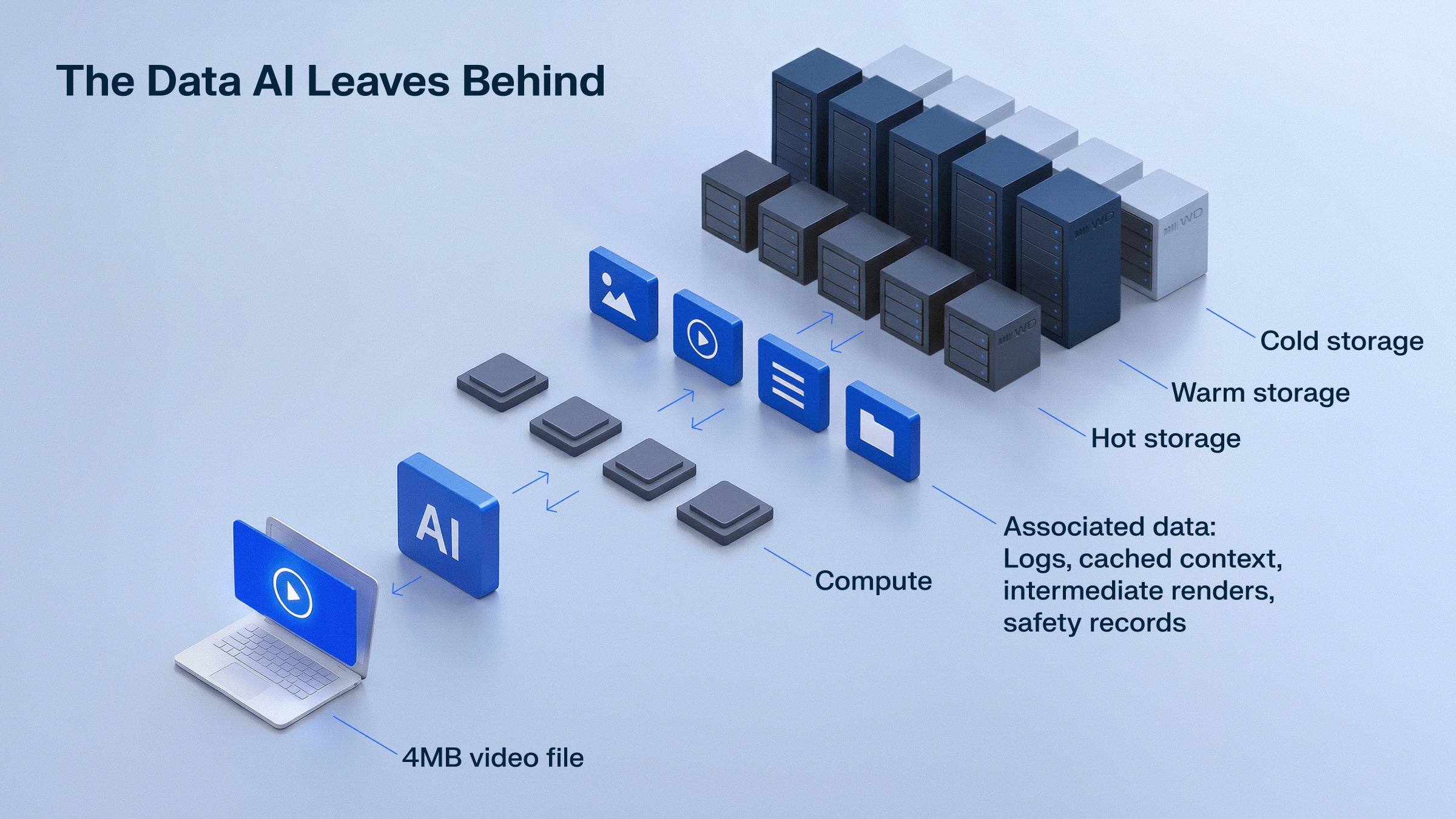
Analysis of the surging data storage costs associated with AI inference, often overshadowed by GPU costs.

A proactive agent based on Claude Opus 5.5 that executes tasks autonomously while the user is offline.

The AI code testing and verification platform is now valued at $1B after a $66M Series C.

The software giant surpasses €10B quarterly revenue driven by its AI agent strategy.
Strategic move to make advanced LLMs accessible via Alphabet's infrastructure.

The year-old AI research lab reaches a $6B valuation.

Meta reports significant adoption of its AI app, specifically for shopping and productivity.

Moving beyond GPUs to treat the entire AI factory as a product and agents as the primary workload.

Recursive provides the "laptop-sized" model as a test for self-improving AI.

OpenAI and Google's latest models independently discovered a vulnerability affecting millions of websites.

Unlike Amazon, Walmart is introducing tech that lets agents make purchases on behalf of customers.
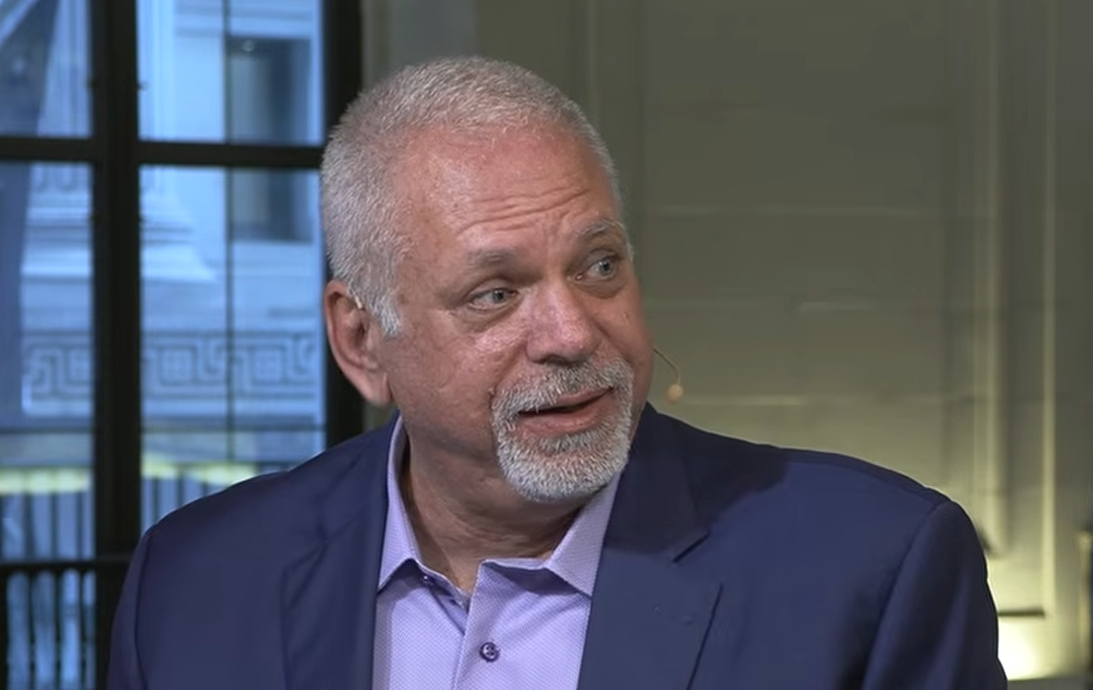
Enterprise demand for AI infrastructure is now outstripping supply, making availability more critical than pricing.

A new neocloud provider focusing on inference workloads for small businesses underserved by giants.

Google Cloud now offers Gemini, Claude, and OpenAI (including GPT-6 Astra/Sol/Luna) on a single platform.
New guides on combining decision models with LLMs for advanced browser automation.
A new mechanism bridging AWS IAM and internal identity for Apache Spark jobs on EMR.
A new tool to identify AI-generated media, expanding support to OpenAI and NVIDIA content.
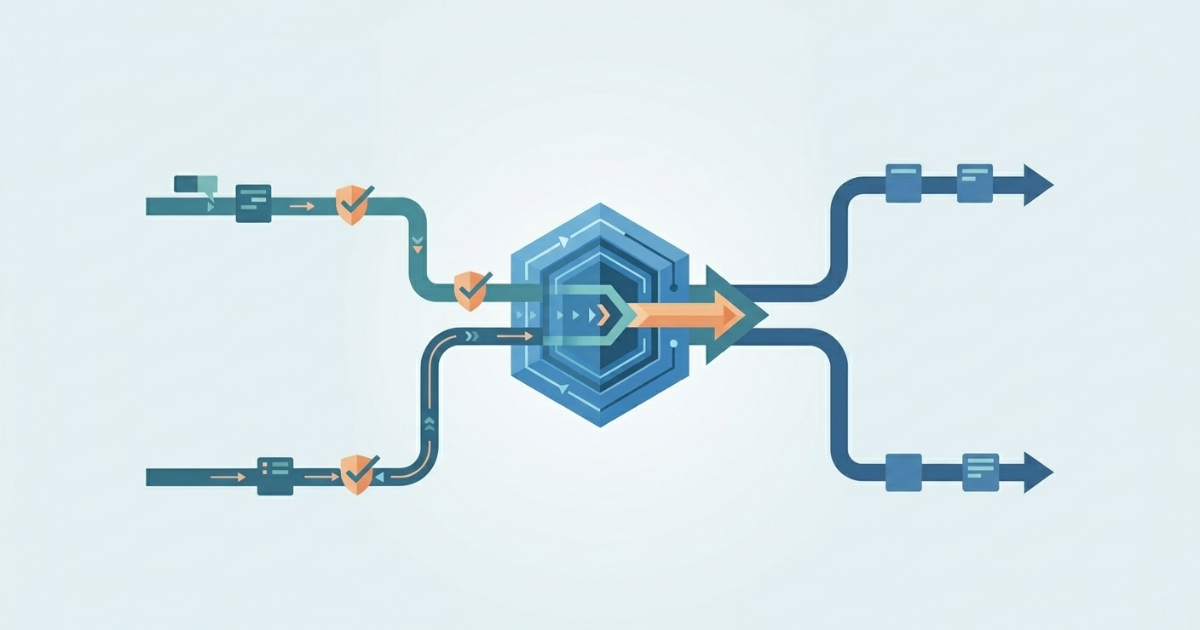
Expands Kubernetes Gateway API and opens eBPF datapath for sidecarless mTLS.
Now enables GPU-native workloads directly from Java applications.