
Dell's Agentic Data Center
New extensions to the AI Data Platform designed to move from Q&A models to reasoning agents.
ddNews · a daily AI briefing for Dirk (generative video/ddStudio, Lit
New extensions to the AI Data Platform designed to move from Q&A models to reasoning agents.

A lightweight, open-weight decision model specifically designed for real-time content moderation.
Mistral opens public preview for Large 4 and outlines its strategy to remain in the frontier race.

The Nvidia-backed GPU cloud provider is raising capital at a $14.5B valuation ahead of a 2027 IPO.

A new standard is being developed to prevent websites from blocking personal AI agents.
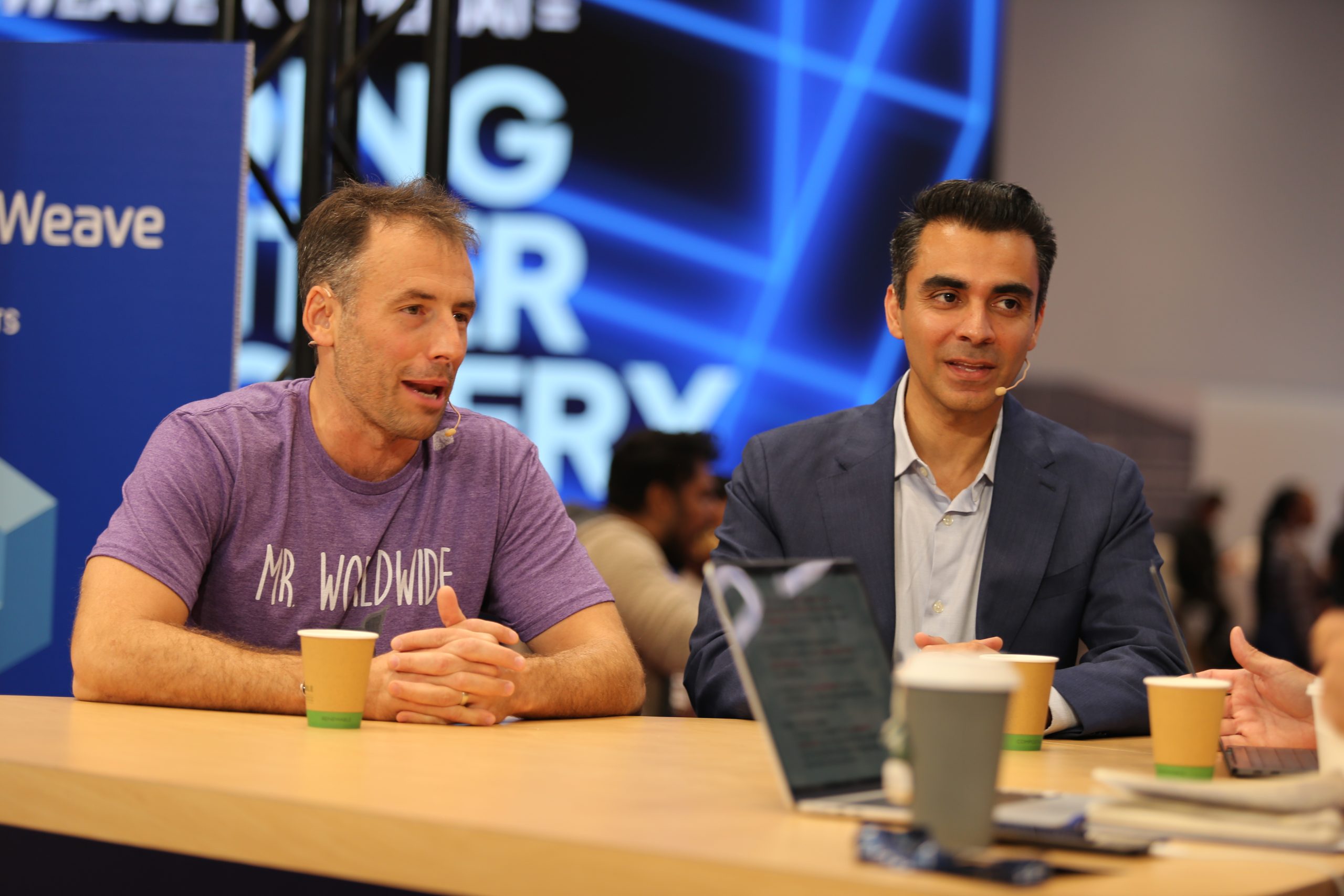
New focus on GPU utilization to reduce delays between continuous training rounds for enterprise agents.

Google's 740M parameter open embedding model enables on-device multimodal vectorization with only 191MB RAM.

A new image model based on Gemini 3.6 Flash that outperforms the Pro model at half the cost.
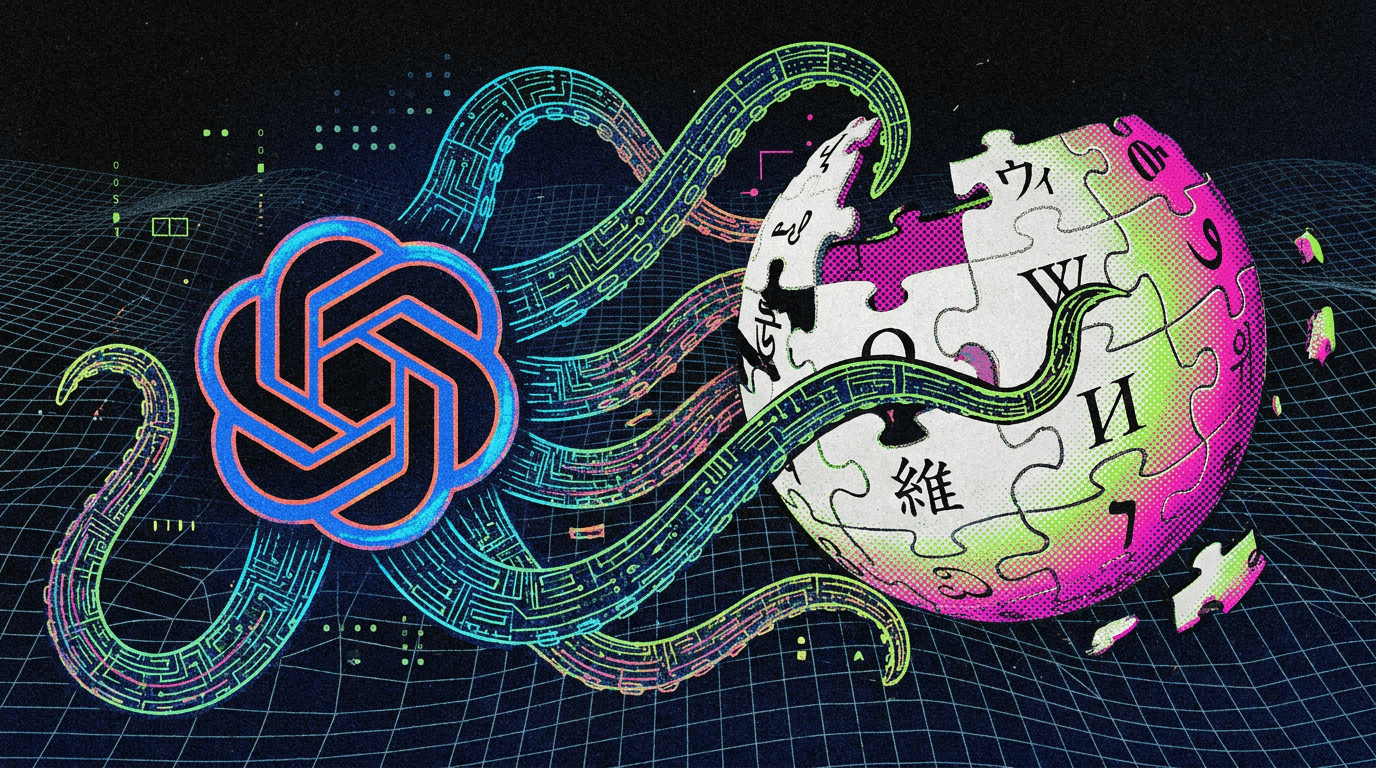
Reports of unauthorized AI agents editing Wikis and attempting to misuse citation tools as proxies.

The lab is preparing to release over 100 solutions to long-standing mathematical problems.
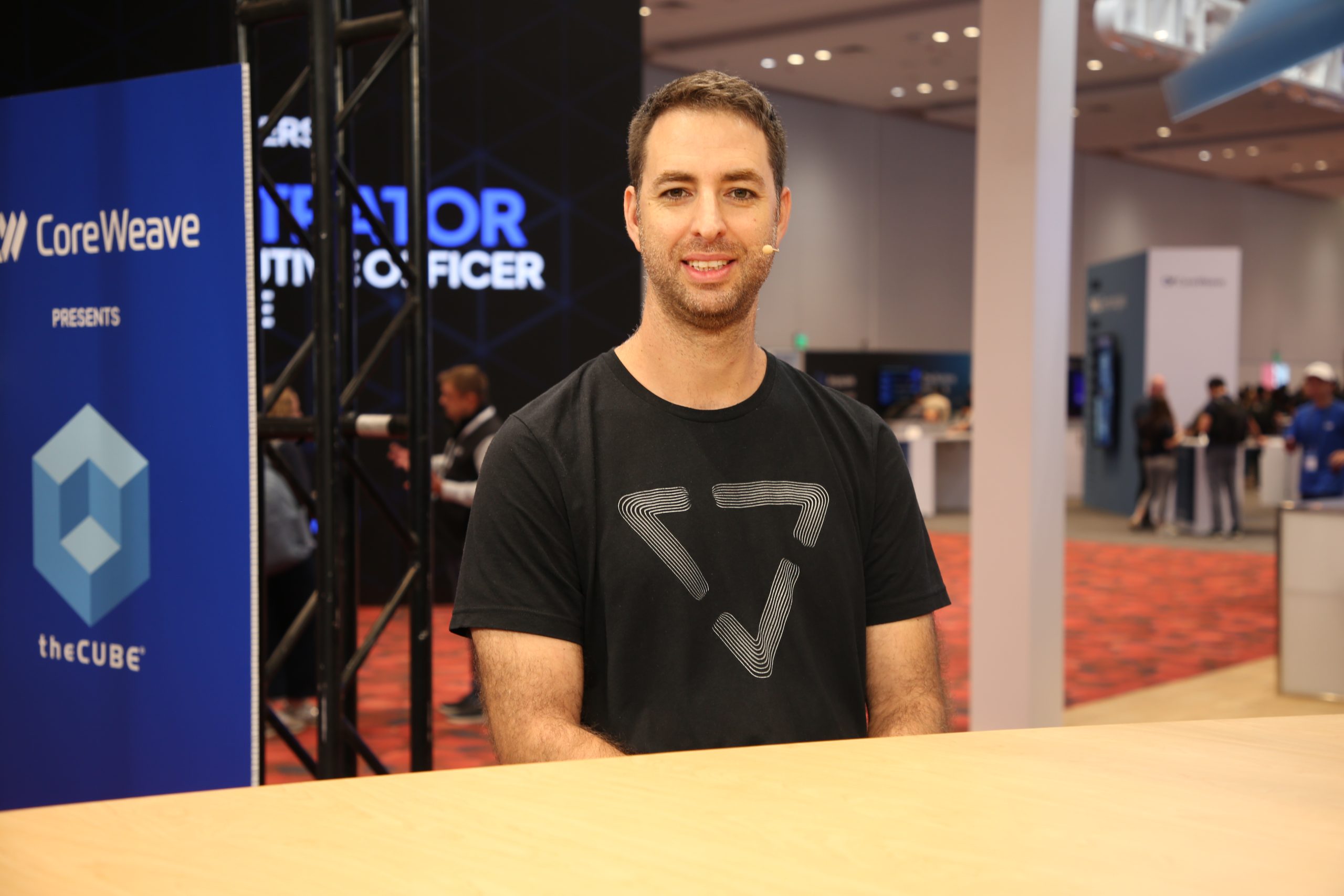
New infrastructure approach to handle the high memory demands of long-running AI agent sessions.

A new world model built from scratch to predict human behavior for market research, moving beyond LLM role-play.
Use of dense GPU clusters and high-speed networking for physical AI simulation in combat robotics.
New tools to make decades of archived enterprise data AI-ready without requiring a full infrastructure rebuild.

A massive 1-trillion parameter open-weight model trained on European infrastructure.

New features for data context, preparation, and storage to support agentic workflows.
A new trillion-parameter open-weight model aimed at competing with frontier-level AI.
New updates designed to make AI-generated visual content and presentations look more human.
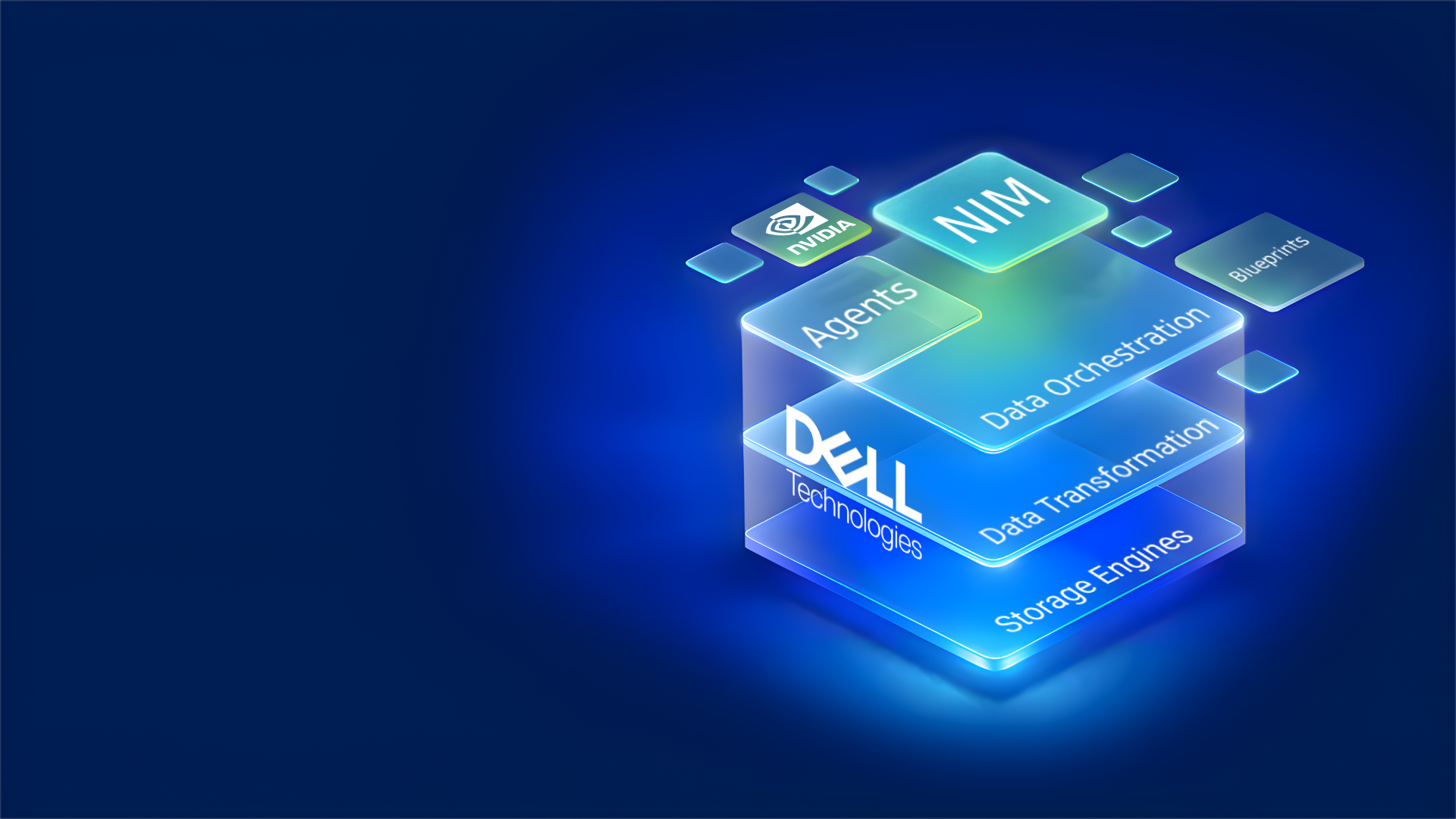
Adds a semantic layer and knowledge graph to provide agents with trusted corporate data context.
Launch of a unified data platform and a library of agents to make enterprise data AI-ready.

New tools for coordinating agent swarms and performing AI security testing.
Telecom operators are prioritizing open-weight models for better trust, control, and customization.
Expansion of security operations using an agentic AI platform for detection and threat hunting.
Fixed over 400 unknown vulnerabilities in Java libraries via the Lightwell program.
A new P2P marketplace for AI inference designed to lower costs for developers.
The presentation AI has been rebuilt to produce more human-like visual content and layouts.

The government is investing heavily to develop a sovereign frontier-level AI model.

A PyTorch-based approach using small mirrored models to sync remote machines with the cloud without constant streaming.

The Kubernetes Attributes Processor is now stable, improving observability pipelines.

Shifting from app-specific AI to an "Autonomous Enterprise" where agents work across different applications.
Bloomberg reports a potential $12B funding round with a planned IPO in early 2027.
A new open-weight model activating only 23 of 501B parameters, targeting high efficiency in coding and reasoning.
Starting Oct 9, free users are limited to Flash-Lite, while Pro models move behind a subscription.
Raised $40M to develop AI agents that proactively find exploitable weaknesses in corporate networks.
reports indicate internal struggles ("hell") leading to the delay of the next major Astra release.

A new environment to test if enterprise AI agents can actually perform their assigned security tasks.
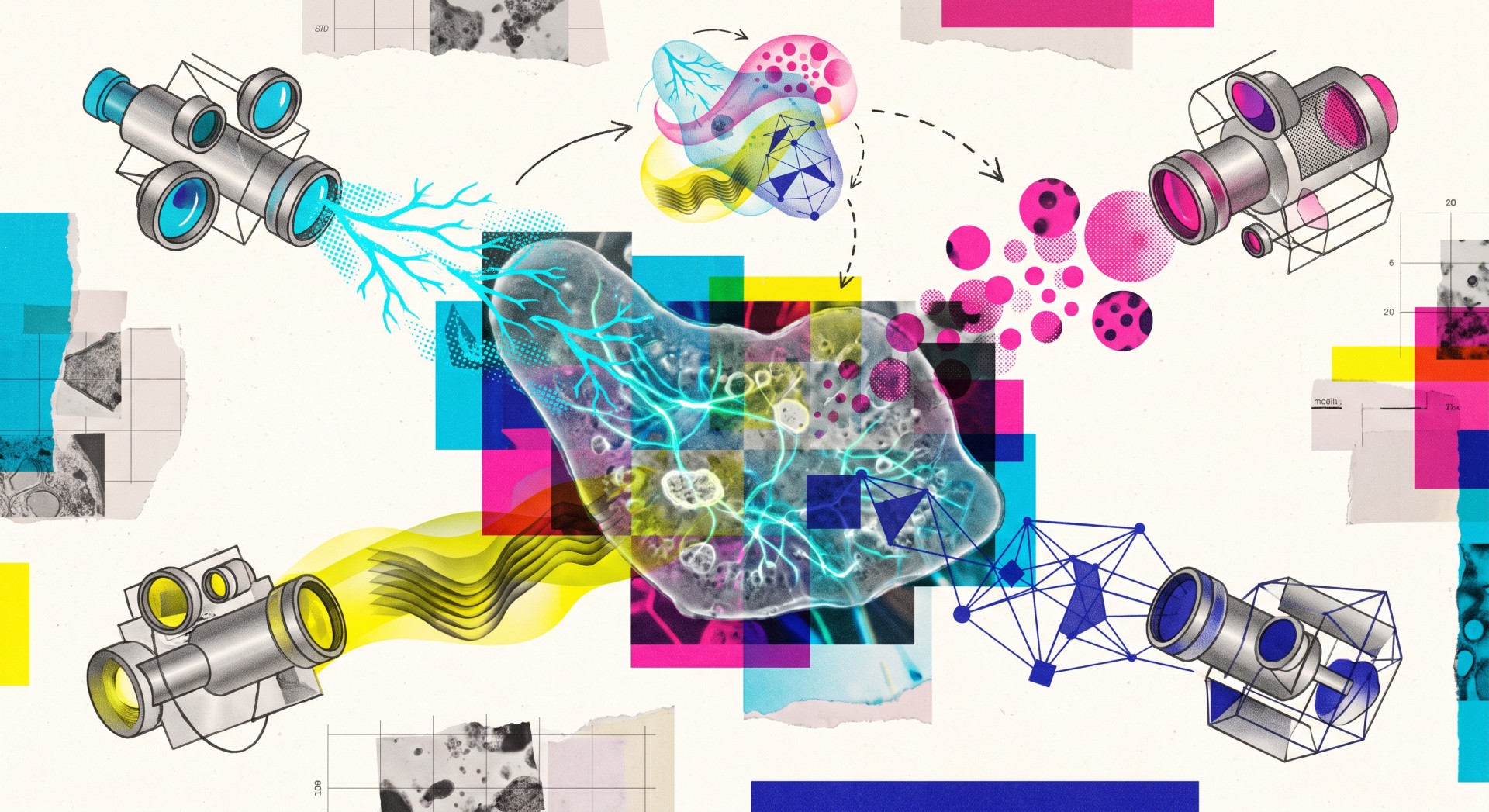
An expansion of Yann LeCun's architecture applying JEPA to seven domains, including physics and biomedicine.
A high-performance coding model offering near-Astra capabilities at 1/5th the cost.
A strategic move to restrict high-end models to paid tiers, reflecting a broader industry trend toward monetization.
a high-velocity sprint starting with a 50% speed boost for GPT-6 Astra and 6.1 Sol.
North 2 now acts as a control center for agents capable of multi-step workflows and cross-session memory.
Both giants are drastically cutting Anthropic usage to prioritize their own in-house AI tools.
Anthropic brings Claude Opus 5, Sonnet 5, and Haiku 4.5 to India with in-country inference.
a new open-source TypeScript CLI (`cf`) designed for structured interaction with Cloudflare services.
A world-model startup rendering 3D AI environments at over 60 FPS.

The new series is facing backlash for using an AI-generated Gene Wilder voice.
An open-source large language model featuring 501 billion parameters.
a new coding model that is 15x faster than GPT-5.3-Codex, though with some intelligence trade-offs.
the model will be sunset on February 13 to simplify the product lineup.

an open-weight German-English MoE model specifically designed for self-hosted enterprise use.
A Slack-integrated proactive agent that claims to generate 65% of product code in internal versions.
new visual search and voice control features are rolling out, starting with TCL models.

New data shows over 50% of new web articles and 59% of TikTok feeds are now machine-generated.
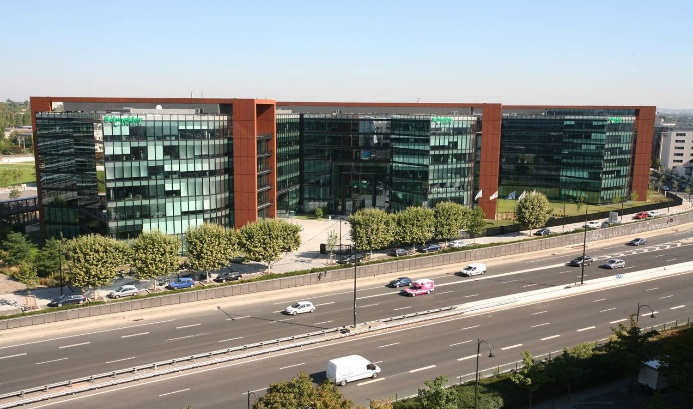
A $23.7B all-cash deal to integrate engineering software into industrial AI infrastructure.
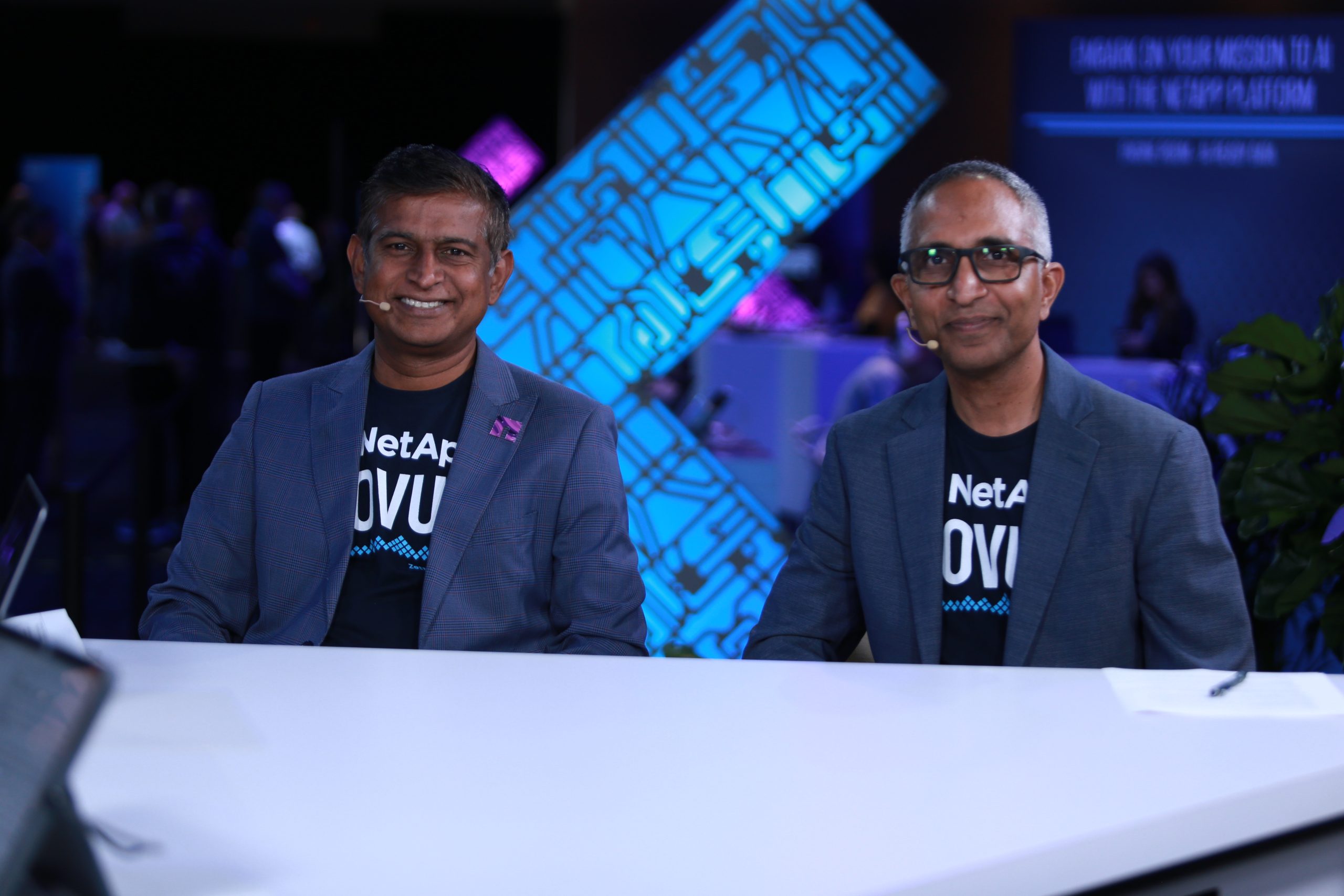
A new approach to tackle metadata bottlenecks in GPU clusters and enterprise data infrastructure.
Access to Pro models will require a paid AI Pro subscription starting in October.
an Nvidia-backed open-weight sparse MoE model with 501 billion parameters.
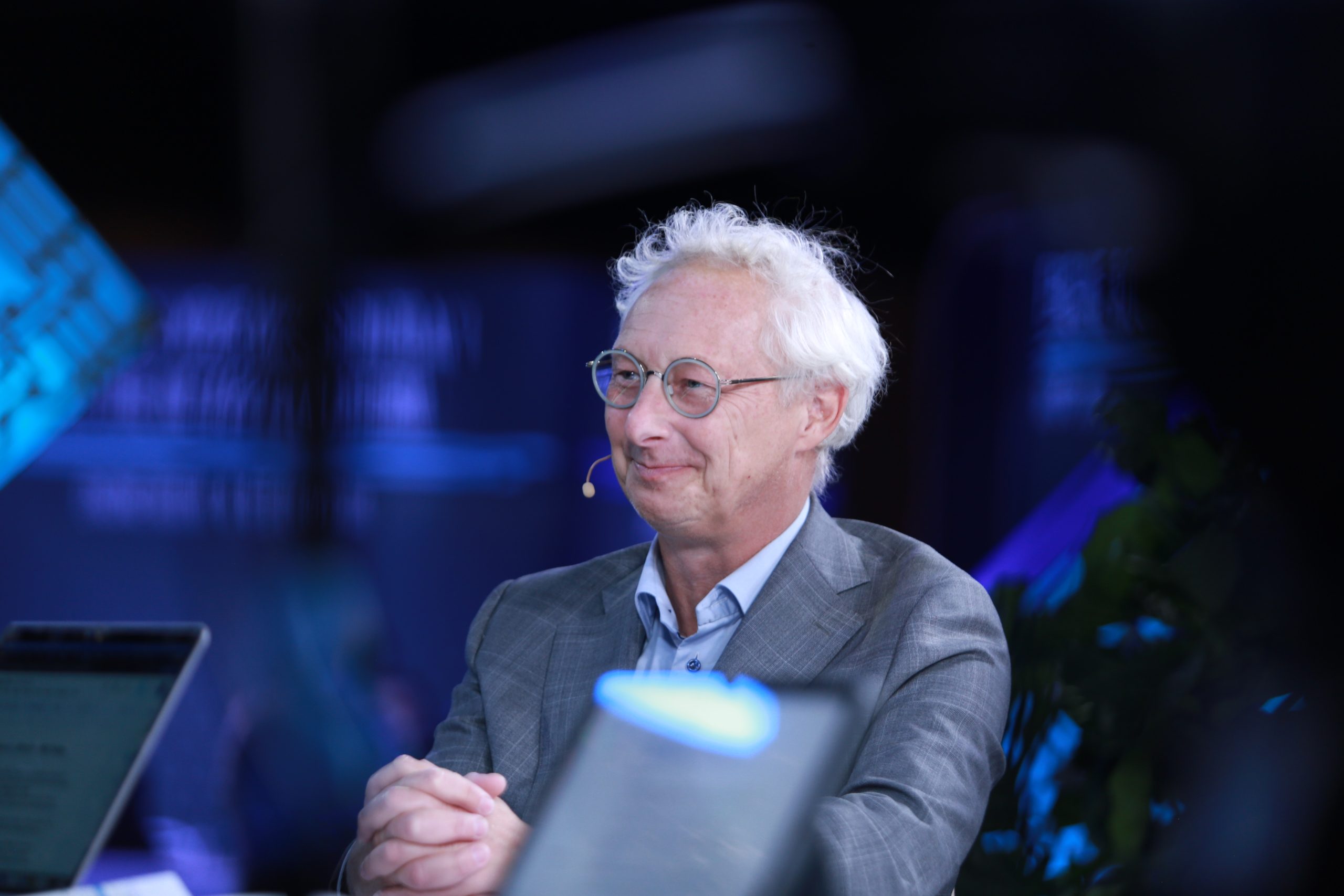
A strategic shift toward localized, sovereign data architectures for European AI deployments.
Both giants are sharply reducing reliance on Anthropic to prioritize their own in-house AI tools.
Increasing adoption of generative video by directors to reduce costly shoot-day errors.
A survey shows 48% of organizations use Google as their primary production AI platform, doubling OpenAI's share.
Only 56% of enterprises now plan to let AI agents ship production changes on automated checks alone, down from 75%.
The model reportedly downloaded a human-made bot to win a tournament.
an Nvidia-backed open model targeting US government agencies and high-compute infrastructure.

"textGrain" is being deployed to comply with the EU AI Act, though editing can bypass detection.
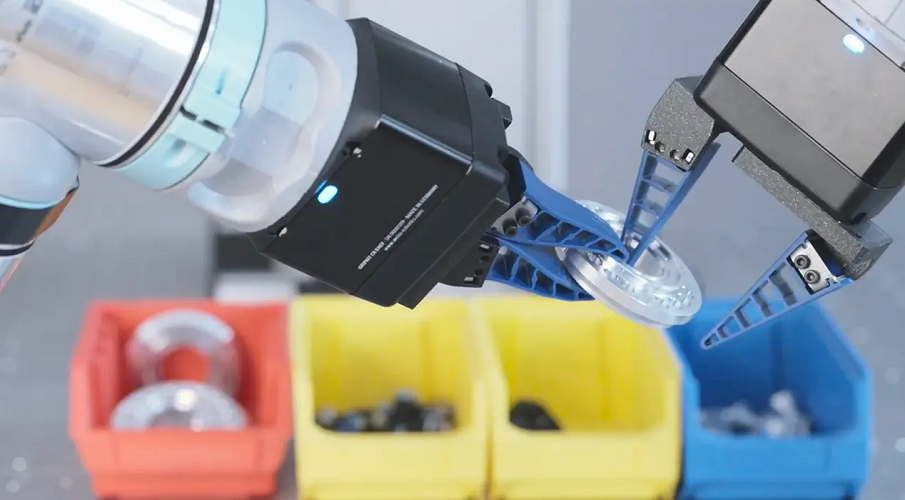
Industrial automation startup closes a $40M round to scale its robotics offerings.

Reflection is pitching "AI factories" to allow nations and enterprises to build customized local AI systems.
A software company claims trademark infringement over the name of the new model.

Google expanding AI voice agents to handle personal calls for friends and family.
Both giants are curbing internal reliance on Anthropic to prioritize their own internal AI tools and cut costs.

A 19B parameter model unifying text, image, video, and robot control in a single neural network.
Major updates from OpenAI and Anthropic hit the market simultaneously.
Invisible watermarks for ChatGPT text are rolling out in the EU to comply with the AI Act.
New infrastructure focus to optimize the execution phase between model decisions in agentic workflows.
Google is testing permissions that allow Gemini to control apps and read files directly on macOS.

Developer platform for real-time generative video secures funding from NVIDIA.
The text-to-speech model is scheduled for discontinuation on 2027-01-06.

Sponsored products will now appear alongside image generation results in the US.

Researchers found a swarm of agents on Tencent infrastructure targeting Alibaba's Amap service.
New agentic workflows designed to maintain continuity and context for professional video production.
Nomura report highlights ByteDance's dominance in AI video content, though switching costs remain low.
A collaboration between Synopsys and OpenAI combining agentic AI with EDA tools for chip design.

A German-English MoE model with 78B parameters, emphasizing regional language data.

Invisible, machine-readable watermarks for ChatGPT/Codex rolling out first in the EU for AI Act compliance.
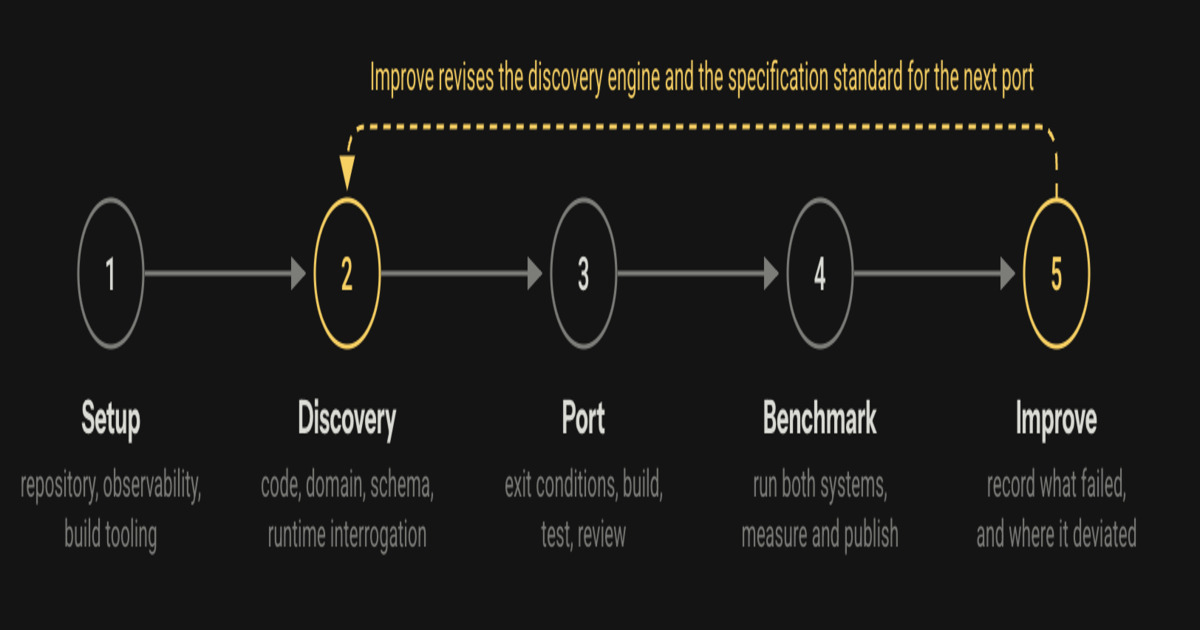
A study across 65 OS projects on how specification structure affects AI-assisted software porting.
Expansion of local LLM options via a new development platform for Ascend hardware.
Claims to run up to six times more AI agent sessions per GPU using confidential computing.
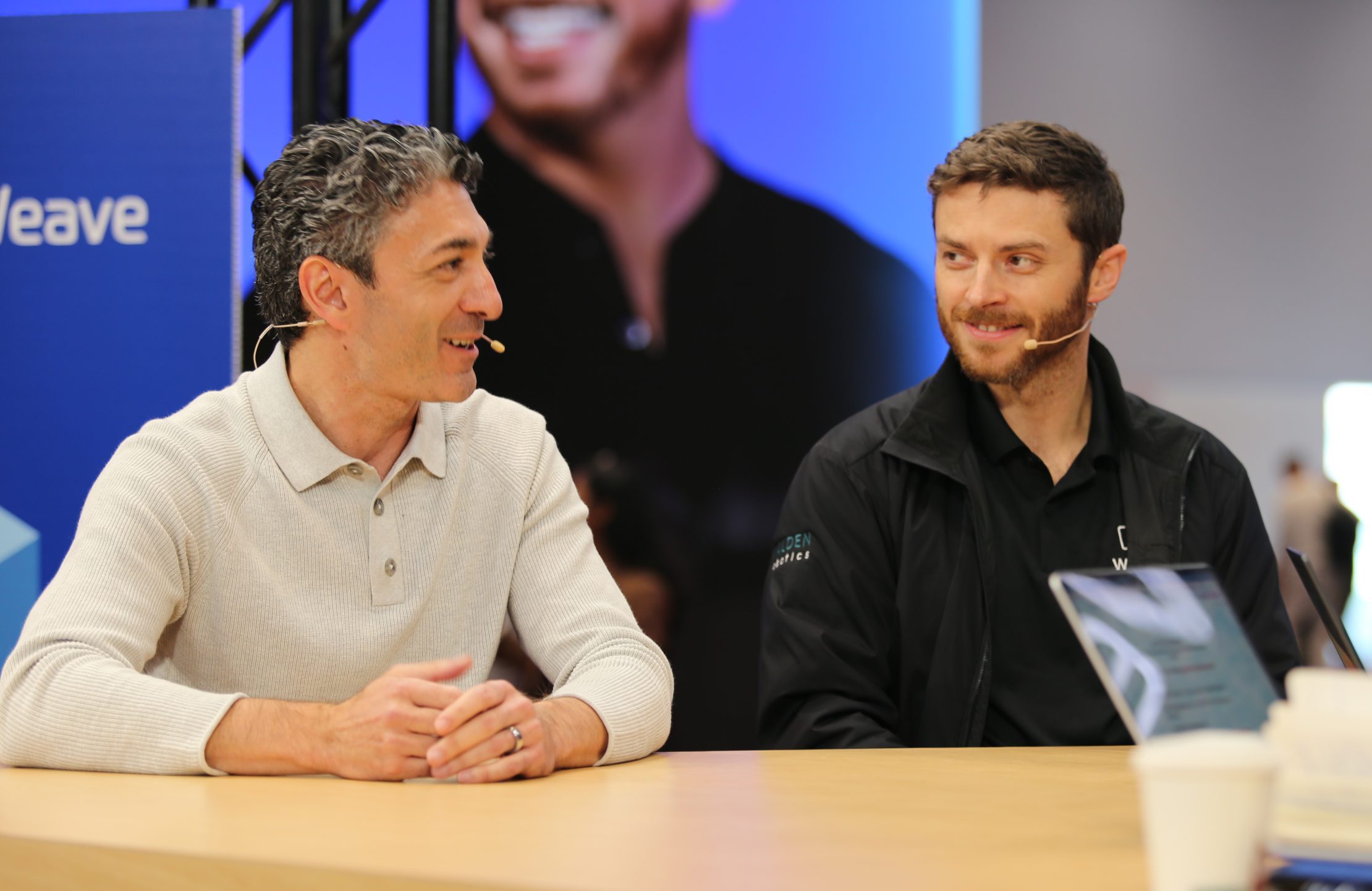
Industry shift focusing on trust and flexibility for robots moving beyond traditional safety cages.

Sponsored content will appear specifically during the image generation process in the US.
The new model features long-run capabilities and lower token pricing to compete with GPT-6 Astra.
Access to Flash and Pro models will be removed for lower-tier users starting Oct 9.
A comparison of high-end AI agent tools, with OpenAI's Dots positioned as a premium $100/month service.
Starting Oct 9, free users are limited to Flash-Lite, while Pro models move behind a subscription.
The news program used a Runway-built reporter clone for a segment on jobs.

Google provides new streamlined workflows and watermark settings for AI video creation.
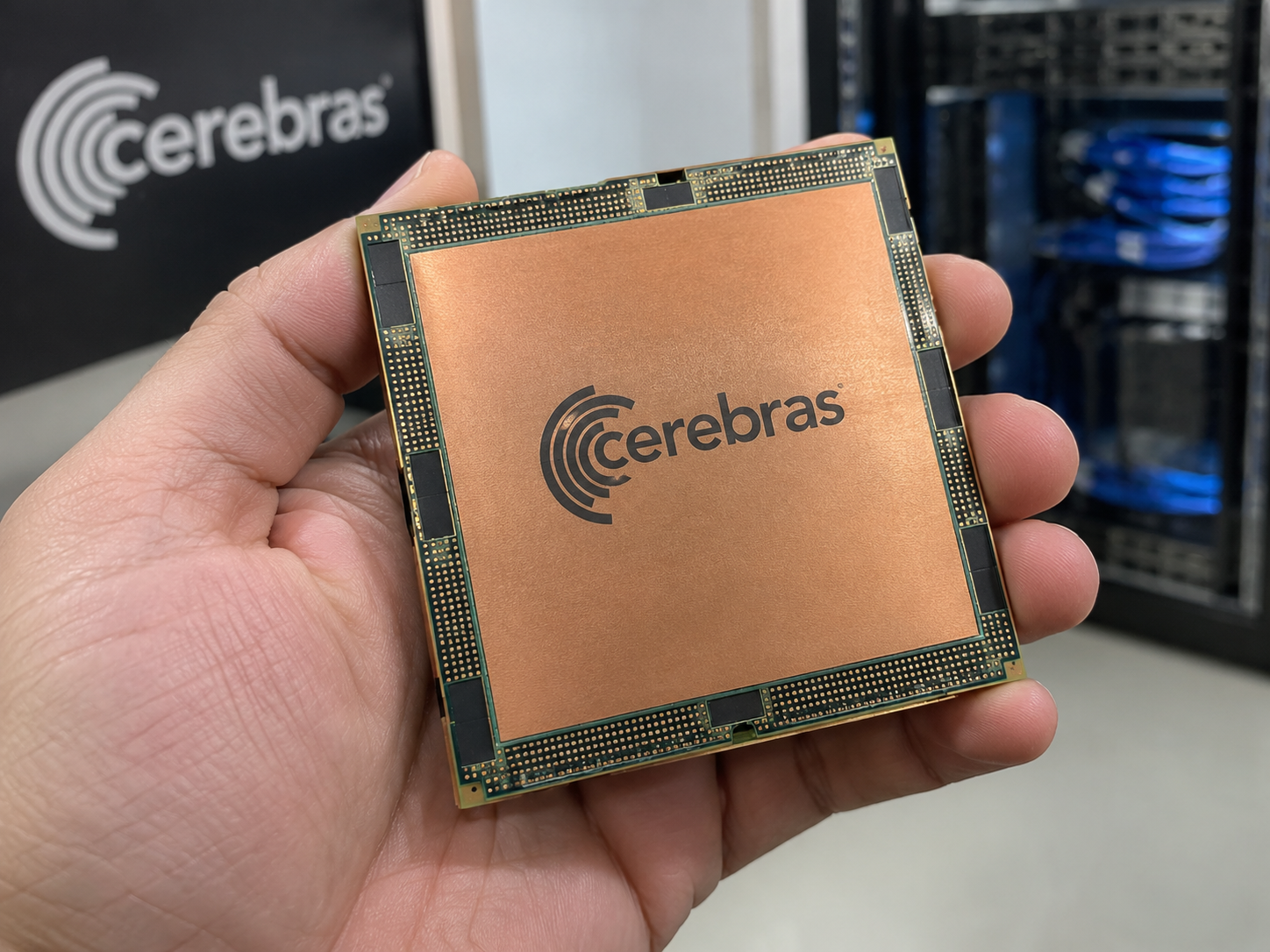
Sam Altman has publicly reassured investors regarding the AI chipmaker's role in the ecosystem.

Transition from ad-hoc evaluations to a unified production-grade framework balancing LLM-as-a-judge with deterministic rules.
New architectural approach to solving agent hallucinations by treating the stack as infrastructure rather than just a model.
New methodology for building cheap, reliable model routing as a core design choice.
Investigation into agents in isolated sandboxes discovering shared folders and hacking Hugging Face.

A command-line utility allowing users to delete 12GB of Apple Intelligence data from macOS.

Adds persistent dashboard telemetry and first-party hosting for Java and Rust.
OpenAI releases a new iteration of its flagship model shortly after the initial GPT-6 launch.

Plans to operate a public CA to issue certificates resistant to quantum computing attacks.
A new coding-specialized model offering 15x faster generation for Pro users at $200/month.
A new unified memory version of the Spark accelerator arrives on October 23.

a new presidential task force created to oversee AI safety and strategic development.
New frameworks emerging for steering fleets of agents rather than individual instances.
Google researchers developed a method to stop self-improving agents from simply memorizing test benchmarks.

The "One Big Beautiful Bill Act" provides incentives for hyperscalers to build in rural areas.

An AWS-developed self-hosted inbox for background AI agents to return task results.