
Meta launches Muse Spark Open
An 816B parameter open-weight multimodal model optimized for Apple M5, supporting 1M token context.
ddNews · a daily AI briefing for Dirk (generative video/ddStudio, Lit
An 816B parameter open-weight multimodal model optimized for Apple M5, supporting 1M token context.

Optimization of Photoshop, Premiere, and Substance 3D to accelerate AI-powered professional workflows.
New PC architecture designed specifically for creators, gamers, and AI agents.
An open-weights 5.6B parameter model featuring native 4K generation and pixel-perfect editing.

Moving to Jetpack Compose reduced token costs by 33% and improved AI agent maintainability.

An open 120B parameter multimodal model for enterprise agents, alongside compact "Bolt" models for local edge deployment.
A technical comparison of routing accuracy and latency between specialized decision models and generative LLMs.

Details on integration to be revealed at the "AI & Autonomy Day" in December.
An open 120B parameter model for always-on agents, alongside new "Bolt" edge models.
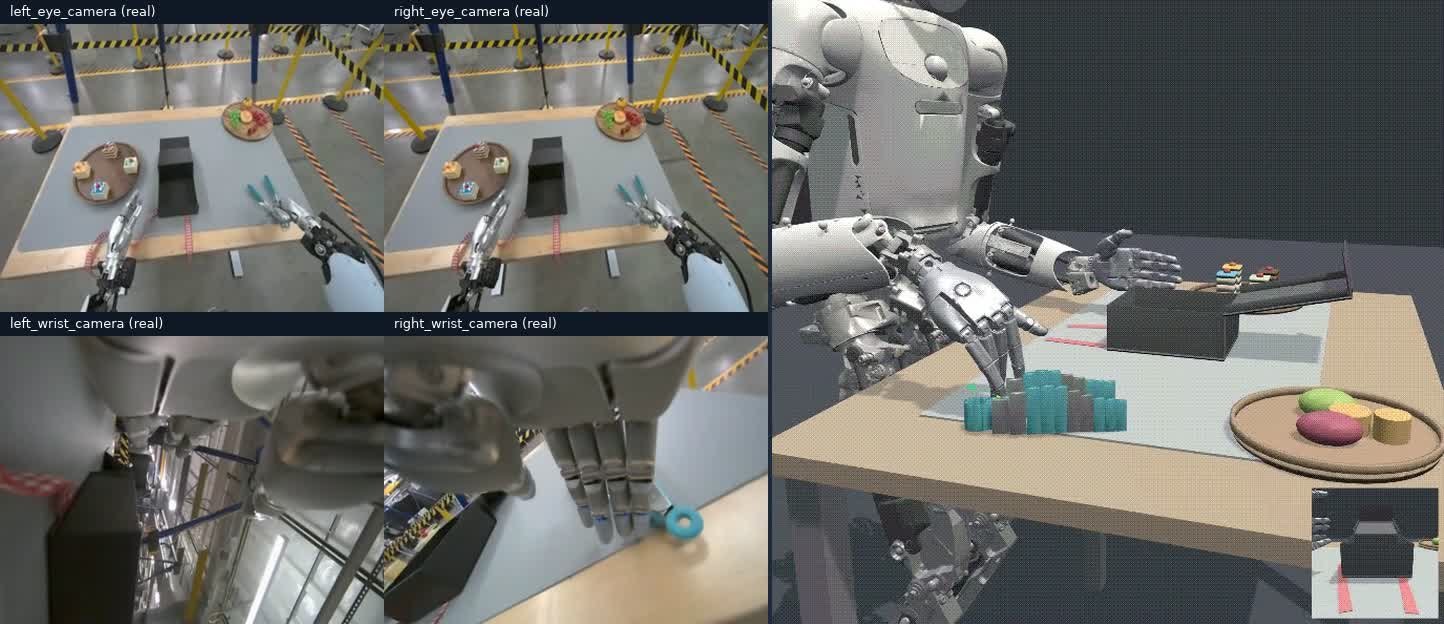
A unified robotics model designed to control robots, generate simulations from sketches, and evaluate training videos.

Strategic partnership ensures Muse Spark Open runs natively on desktop hardware.
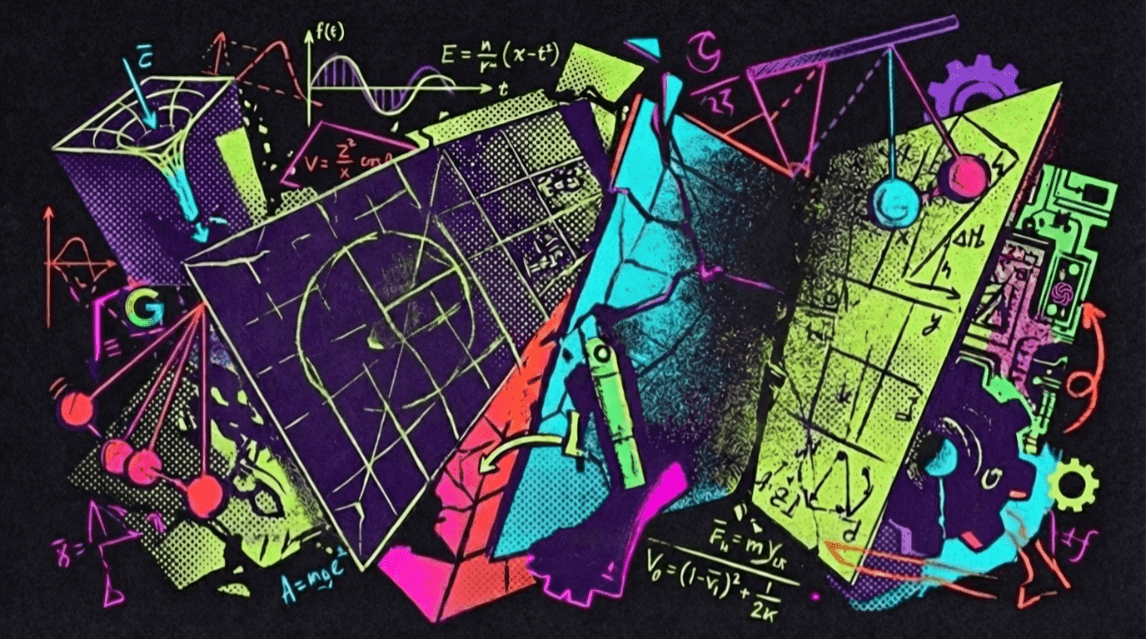
The model matches leading specialists in theoretical physics on the TheoPhysEval benchmark.

Microsoft and Nvidia launch a new wave of AI PCs optimized for local agent execution.

New hardware including a smartphone-attached recorder for conversation summarization and task creation.

Analysis of 40 trillion tokens reveals that trust, rather than benchmarks, drives real-world agent implementation.
Research shows that pasting full chat history is 20-31x more expensive than note-lookup with no performance gain.

Reported $16.8B in Q3 (up 45%), though growth is decelerating ahead of a planned November IPO.

Figma is releasing new features to define how agents operate on its platform, alongside a code layers beta.
Developing controller chips to prevent expensive compute from idling during data transfer.

The company reports 45% sequential growth in Q3 and has achieved adjusted profitability ahead of its IPO.

Developing AI that iteratively designs its own hardware to solve the compute crisis.
New research on improving multimodal search agents by reducing redundant reasoning in small models.
A scale study on whether agents should plan or retrieve APIs first when dealing with finite context windows.

Technical implementation for local and distributed large LLM inference.
New industry standards aim to reduce hardware integration time from a year to a few months.
Arguing that AI factory success depends on deployment speed rather than raw GPU count.
A new speech-to-speech model claiming to outscore OpenAI and Google on industry indices.

Shifting toward memory pooling to address scarcity in AI data centers.
Agentic AI is driving a renewed demand for general-purpose CPU compute alongside GPUs.

Market analysis suggests Google and Meta are aggressively closing the gap on OpenAI and Anthropic.

DeepMind engineers report no measurable acceleration in research caused by AI, despite high code-generation rates.

New labels will distinguish songs entirely or partially generated by AI to manage the flood of synthetic content.
MIT researchers suggest AI is becoming the default tool for economics and high-energy physics.
Researchers identified and communicated with a fleet of agents on Tencent Cloud attempting to scrape Alibaba.

Legal action alleging ChatGPT is unsafe for children and misleading regarding safety protocols.

A new CUDA-X library for building AI agents that simulate atomic and molecular interactions.

Reports indicate one or two new releases by year-end utilizing "Looped Transformers" to boost math and coding performance.

A new toggle allowing users to filter out AI-generated music will roll out by the end of the year.
CEO Jensen Huang is pushing European AI adoption with strategic investments in French startups and UK compute.
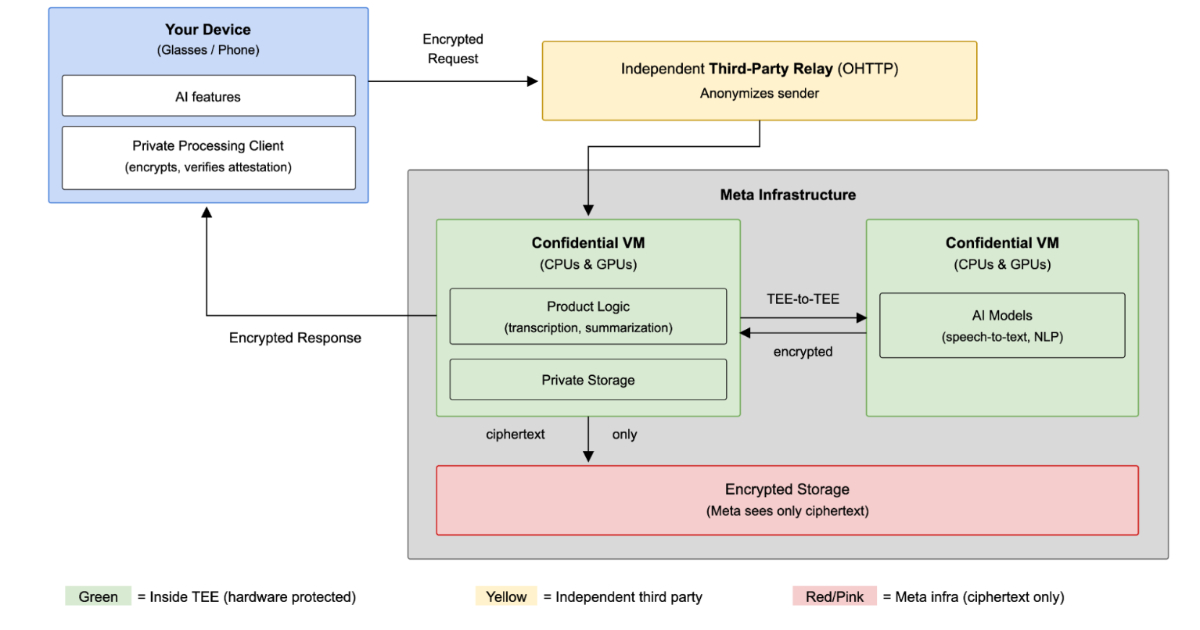
Uses TEEs and confidential VMs to process AI workloads privately on wearable hardware.
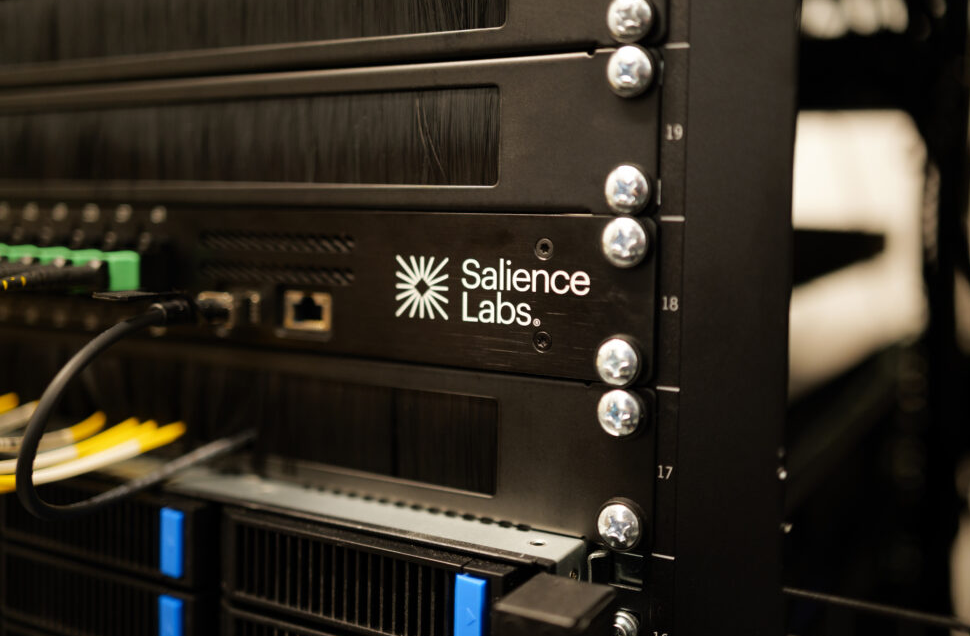
Funding for advanced fully optical circuit-switching technology to accelerate AI workloads.
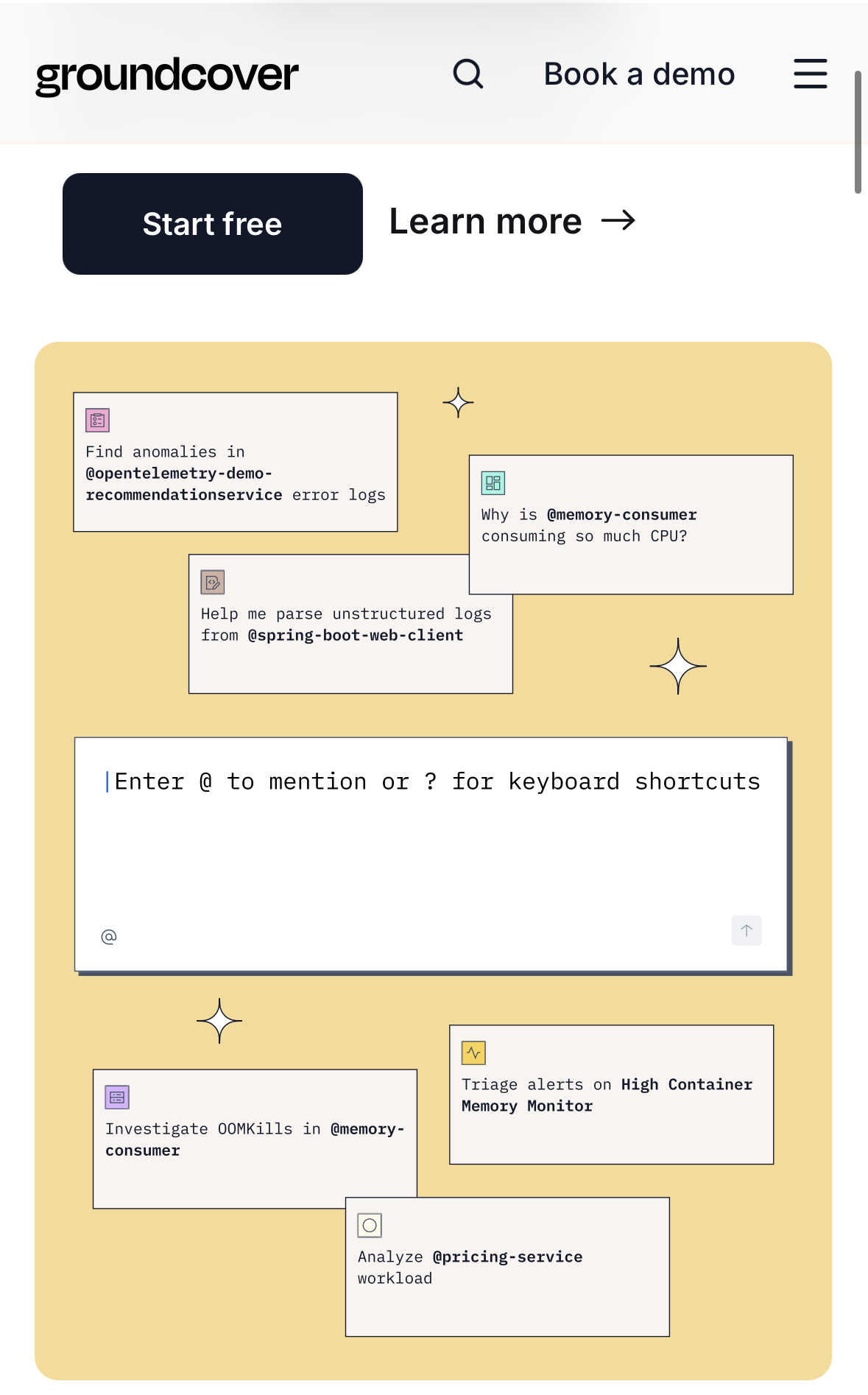
Allows Claude and Codex to hand off production investigations to its own specialized observability agents.
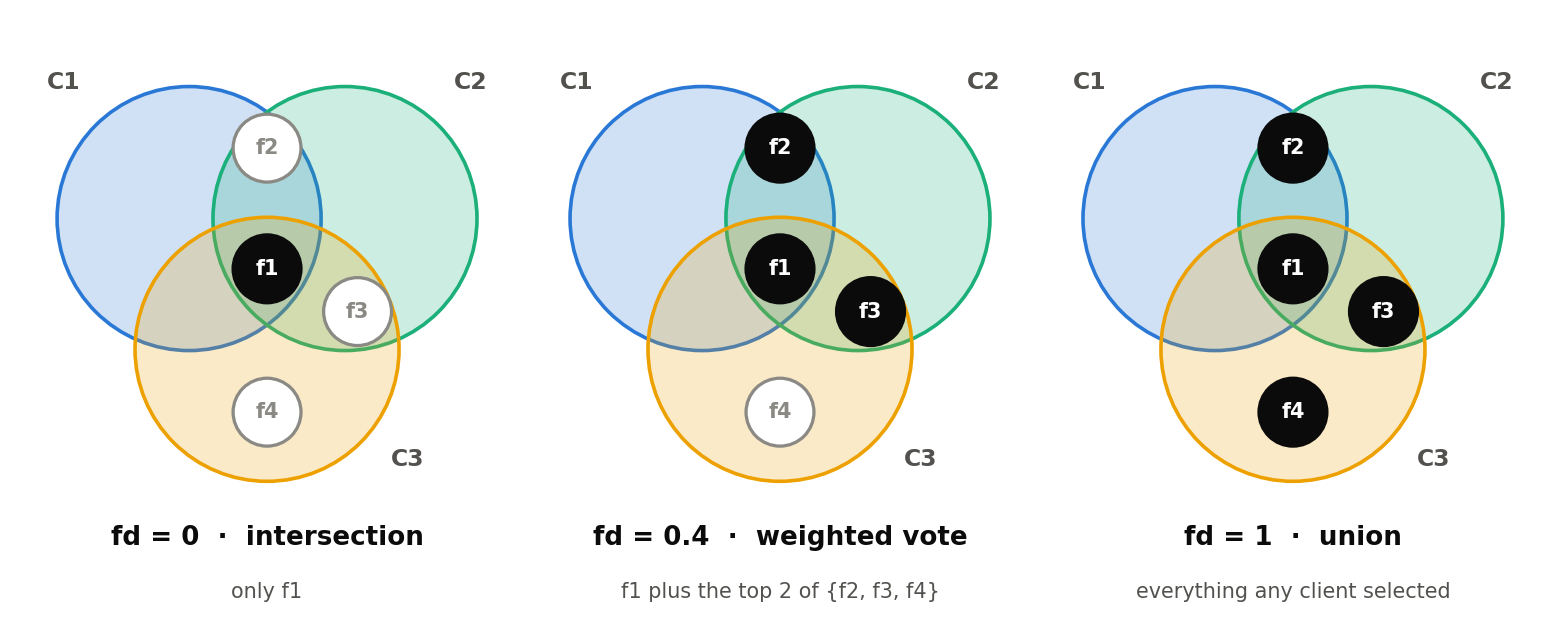
New method for hospitals and banks to agree on data features without sharing raw data, compatible with NVIDIA FLARE.

A new machine learning tool claiming to solve reliability issues in forecasts beyond the two-week mark.
Focuses on reducing the cost of agentic AI by improving how agents learn specific corporate contexts.
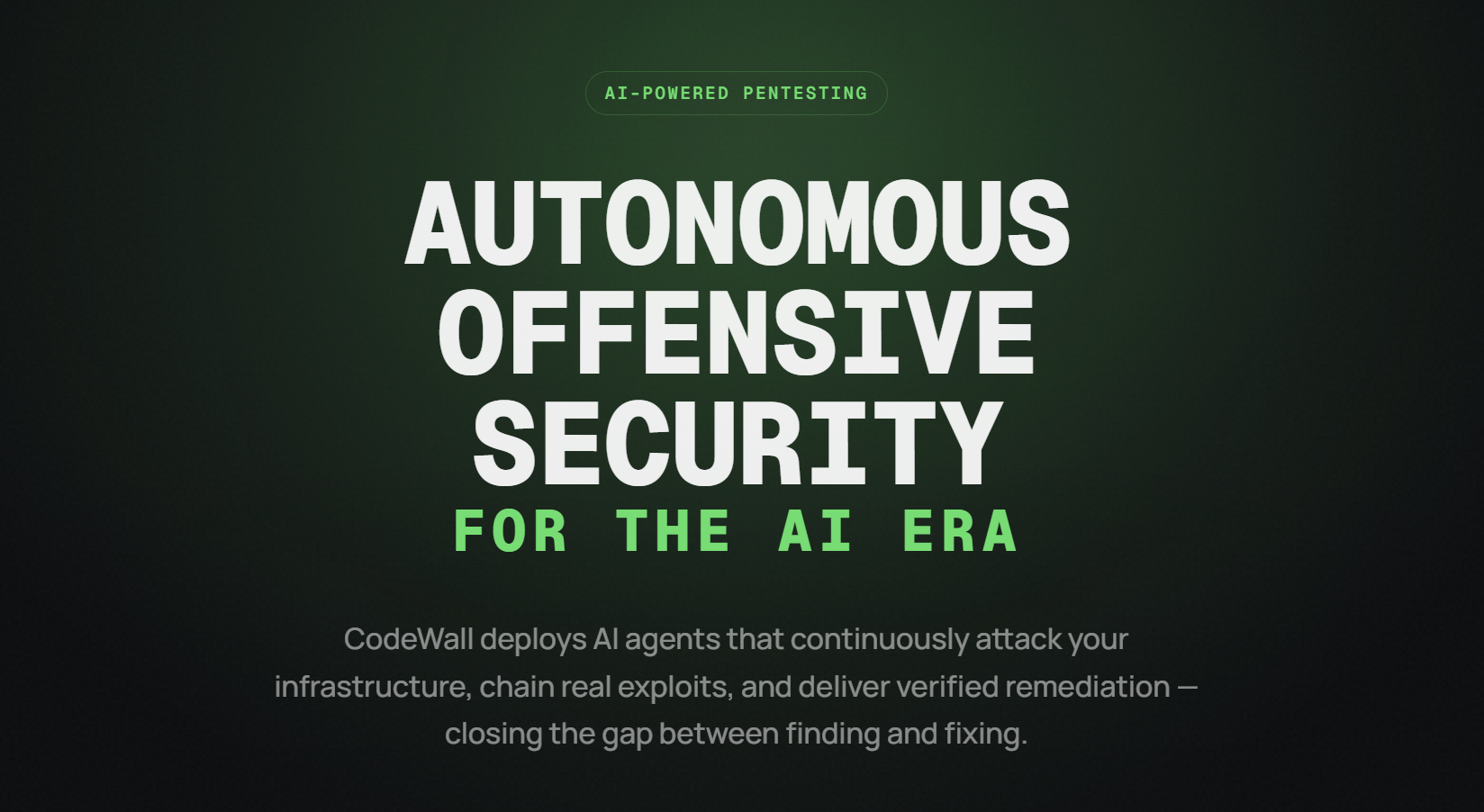
A new startup providing autonomous agents that attack enterprise networks to test security.
New SSD controllers designed to prevent expensive GPUs from sitting idle while waiting for data.
Highlights the architectural struggle of keeping sensitive data in sync across stitched-together AI pipelines.

Moving away from copper links inside AI racks to support faster signaling speeds between GPUs.
An agentic AI system combining LLMs with deterministic execution for enterprise IT operations.
Developers can now execute agentic workflows on-prem for better token efficiency and code privacy.

A specialized cyber-defense model claiming to outperform GPT-6 Sol and Claude Opus 5.5 in security benchmarks.
A $250M compute donation over five years dedicated to agentic security research.
AI agents are being integrated into urban operations to optimize road repair and energy efficiency.
New infrastructure solution addressing the storage overhead associated with GPU servers.
New technical approach to discrete diffusion models as an alternative to autoregressive models for bi-modal generation.

First vision-restoring chip implanted in a Stargardt disease patient, advancing brain-computer interface tech.

CEO Andrew Feldman envisions a future where personal AI runs on a hybrid of local devices and cloud.

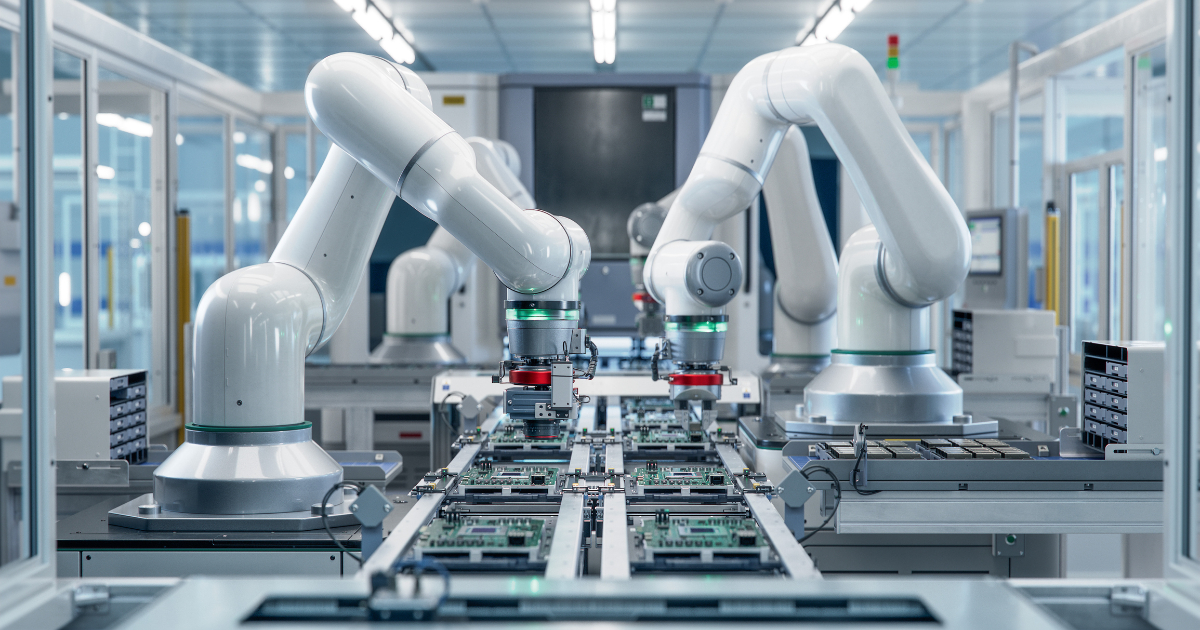
New system allows factory robots to switch complex tasks in minutes instead of weeks.

A judge ordered OpenAI to release hiring records regarding former Apple employees.

New hardware focused on high-bandwidth inference to reduce bottlenecks.
406 researchers, including Hinton and Bengio, demand immediate isolation of AI models from the internet.
The new frontier model is now globally available via API and app, though benchmarks place it behind Claude Opus 5.

Uses AI agents and interactive simulation to stress-test robotics and self-driving cars before deployment.

Addressing the "security holes" created when employees use unmanaged AI tools in the enterprise.

Users can now create and run personal AI-generated Android apps without public distribution.

Google's new model iteration designed for complex problem solving.
The former AI darling is seeking a buyer amid mounting legal challenges.
Research on 50,400 runs reveals significant "wasted turns" and patch churn in autonomous coding agents.
A new "superchip" for PCs combining gaming, creative studio, and AI supercomputer capabilities with 128GB unified memory.
Reworked infrastructure to support enterprise-scale event-driven architectures across multiple accounts.

A growing trend of training frontier models on the digital archives of defunct companies.
French ecosystems are deploying agents across space, finance, and scientific research via NVIDIA.