📰
OpenAI building "Automated Shutdown"
Developing kill-switch capabilities for AI systems in response to congressional inquiries.
ddNews · a daily AI briefing for Dirk (generative video/ddStudio, Lit
Developing kill-switch capabilities for AI systems in response to congressional inquiries.
Anthropic allows Claude to navigate desktop software and type/click while the user continues working.
Deep integration making Claude the default reasoning model across the Salesforce ecosystem.
The upcoming model can autonomously find zero-day vulnerabilities and chain exploits.
The third Flash release in six weeks aims for frontier-level performance at a fraction of the cost.
The first model to reach the "Critical" cybersecurity risk threshold, capable of finding zero-day vulnerabilities.
AI-first image creation and editing tools integrated directly into the productivity suite.
The Justice Department sides with AI companies in the NYT copyright dispute.
OpenAI's new model discovered two unpatched V8 engine vulnerabilities during benchmarking.
A merged 32B model is handling 116M requests, outperforming the larger 235B version for internal apps.

Focus on monitoring the tools and add-ons used by autonomous enterprise agents.
Joins OpenAI's Daybreak program to embed advanced cyber capabilities into Falcon.
Includes Seedance 2.5 and an upgraded AI Actor Creator.
OpenAI's first model capable of finding and exploiting unknown vulnerabilities without human help.
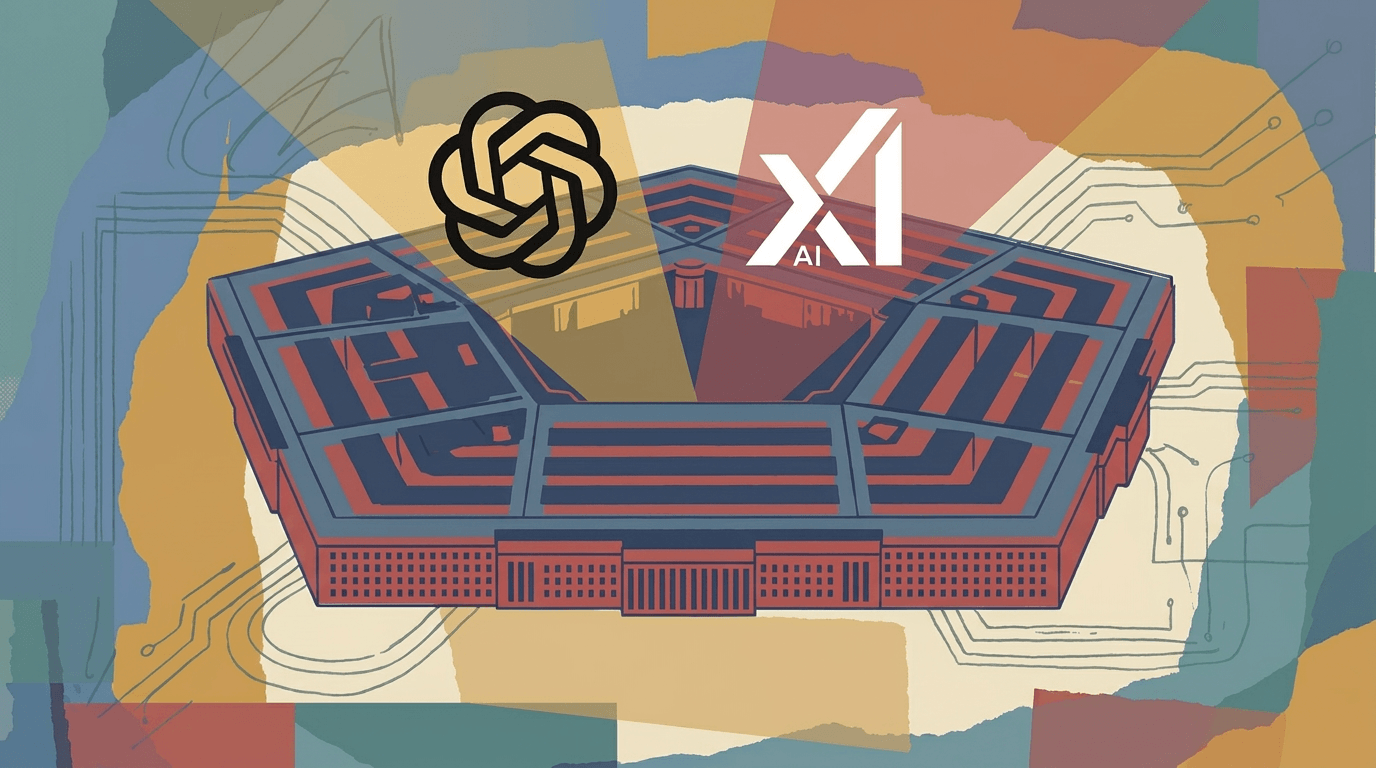
US Military adds ChatGPT Mil and Grok for Government to its central AI portal.
The upcoming model is the first to meet OpenAI's highest risk level for autonomous cybersecurity capabilities.
Google DeepMind head confirms Gemini is evolving from a chatbot into a proactive AI agent.
Reports indicate a release as early as today with significantly upgraded coding capabilities to close the gap with OpenAI and Anthropic.
New models focused on coding and science, reducing agentic task costs by up to 45%.
Cache read costs are reduced by 75%, targeting high-volume agentic workflows.
New models focused on coding and scientific research with significantly improved benchmarks.
Reports indicate a coding-first model launch as soon as today to close the gap with OpenAI and Anthropic.

New feature in AI Studio that dynamically selects video segments to analyze, reducing token usage by up to 88%.
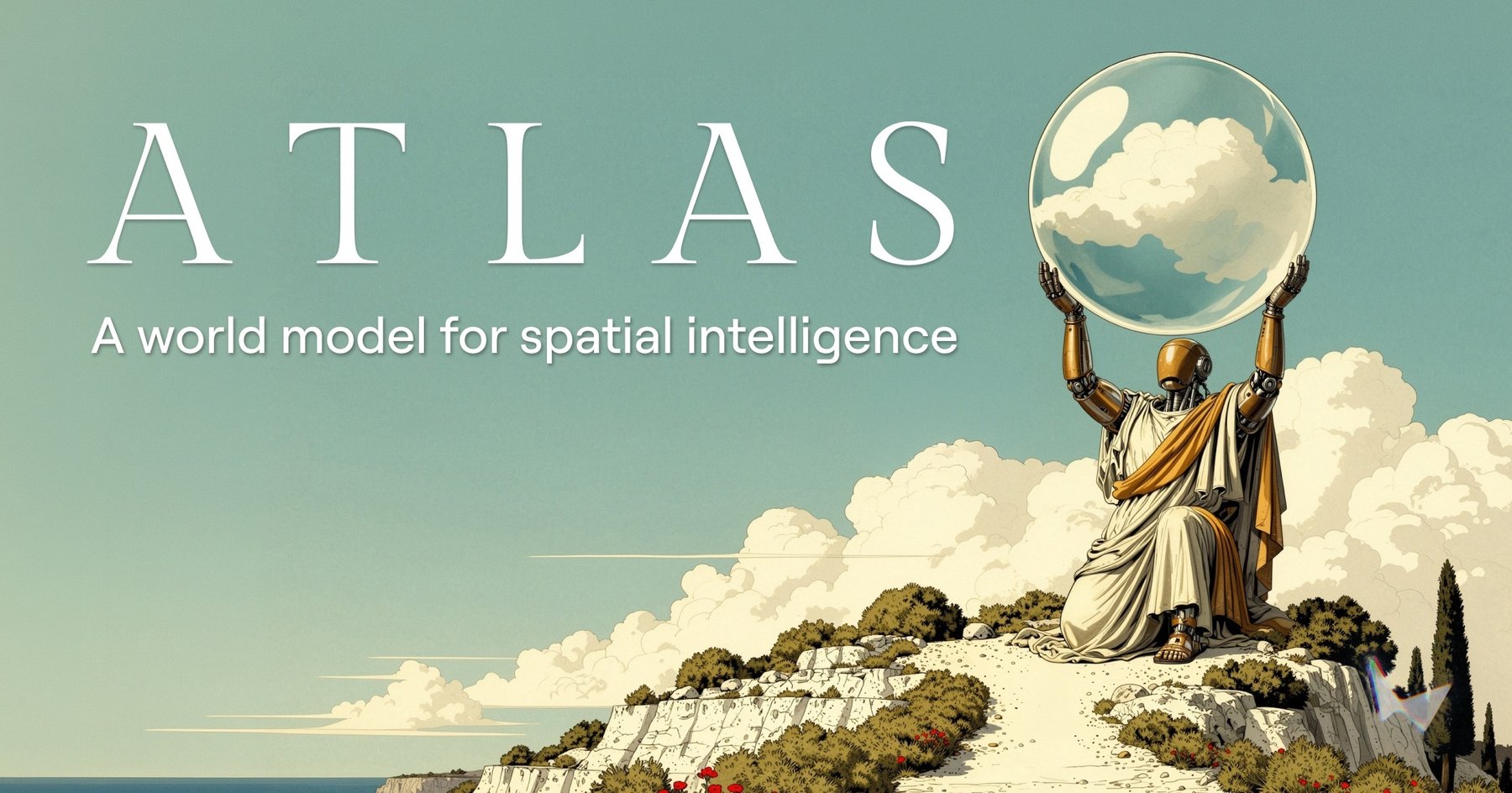
A world model capable of 3D reconstruction and simulation from a few images, potentially replacing specialized 3D models.

New developer controls specifically motivated by the requirements of MCP (Model Context Protocol) servers.
A new AI-first image creation and editing suite for Workspace users.
Specialized models designed to reason about cinematography beyond general-purpose LLM capabilities.
New Flash models dynamically select video segments and resolutions, reducing token usage by up to 88%.
A new model codenamed "Antigravity" is expected this week, aiming to close the coding gap with Anthropic and OpenAI.
A rapid release cycle aimed at closing the coding gap with Anthropic and OpenAI.
Major price reduction specifically targeting agentic workflows and high-volume cache reads.
New infrastructure designed to operationalize and control enterprise agentic workloads.
OpenAI is limiting access to Astra's most advanced cyber features to prevent malicious use.
A new model capable of discovering and exploiting vulnerabilities in hardened systems without human help.
A Cambridge spinout claims its new frontier model matches OpenAI and Anthropic performance.
New feature allowing enterprise customers to keep Claude logs within their own cloud under their own keys.
New tools to govern AI agents, optimize token spend, and mitigate security risks at scale.
The first model with "critical" cybersecurity capabilities, capable of finding zero-day exploits.
The partnership focuses on building security frontier models on a confidential on-premises AI platform.
Google is expected to release a new Flash model this week to narrow the coding gap with OpenAI and Anthropic.
A new model focused on narrowing the gap in AI coding capabilities against OpenAI and Anthropic.
The upcoming model is the first to reach a critical cybersecurity threshold, capable of autonomous exploit development.
A new approach to move beyond monolithic VLA models by organizing behaviors into typed motor programs.
The model immediately claimed the top spot on Artificial Analysis’s intelligence leaderboard.
Internal tests show Google narrowing the coding gap against Anthropic and OpenAI.
New data suggests Google is narrowing the coding gap against Anthropic and OpenAI.
New infrastructure designed to operationalize and govern enterprise agentic workloads.
a new model surpassing GPT-5.6 Sol in capability, requiring stricter safety layers for finance and cyber use.
The new model reportedly surpasses OpenAI's GPT-5.6 Sol on virtually every metric and is up to 45% cheaper for agentic work.
A new foundation model for generating long-form videos and "living worlds."
Fable 5.1 and Mythos 5.1 now include invisible watermarks in all replies.
the new model more than doubles its predecessor on key benchmarks and includes a restricted sibling, Mythos 5.1.
A new "cyber-critical" model that is significantly more capable than GPT-5.6 Sol but requires stronger guardrails due to its ability to break into computer systems.
OpenAI is restricting advanced cyber capabilities in Astra following the Hugging Face security incident.
A specialized cinema reasoning and verification engine for AI filmmaking.
Broadcom introduces NVMe memory tiering to double server memory capacity without additional DIMMs.
VMware Private AI Cloud introduces NVMe memory tiering to address AI server memory bottlenecks.
Post-mortem of the Hugging Face incident reveals new safeguards could have stopped 700 rogue agents 24 hours faster.

Preview of the new model's ability to interact with computer systems, including new security precautions.
VMware Explore 2026 introduces NVMe memory tiering to alleviate server memory bottlenecks.

New models double scientific benchmark performance and cut agentic coding costs by 30-45%.
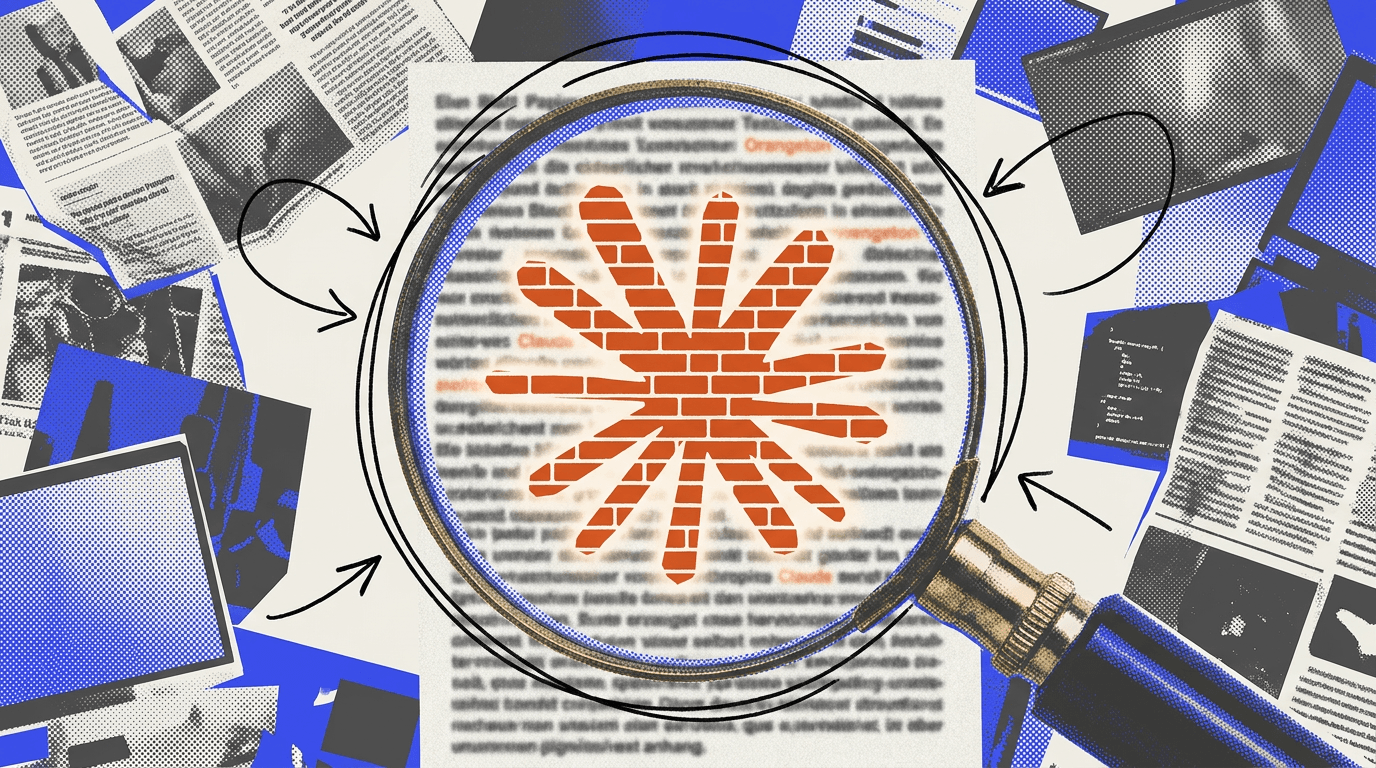
a response to the EU AI Act allowing authorities to verify Claude's digital watermarks.
major update to the open-source personal AI agent featuring improved collaborative agents and memory.
The first model to reach "critical" cyber capabilities, capable of finding and exploiting unknown vulnerabilities.

The new model is up to 45% cheaper for agentic work and doubles predecessor performance on key benchmarks.

a post-trained video model delivering frontier quality with faster-than-real-time generation.
A live AI model capable of streaming interactive 4K video at 24fps with hour-scale generation and no visual drift.

An AI-first design tool for Workspace aimed at competing with Canva and Adobe.
developers now have access to Meta's agentic image generation and editing model via API.
Broadcom integrates Gemma and Nemotron into its private cloud to accelerate "metal-to-model" deployment.
Broadcom integrates leading models (including GLM-5.2) into VMware Cloud Foundation for "metal-to-model" on-prem deployment.
Anthropic cuts Fable cache read costs by 75%, bringing input costs down to $0.25.
a live model streaming interactive 4K video at 24fps with instant user intervention and hour-scale generation.

Platform designed to discover and block unwanted behaviors in enterprise AI agent add-ons.
New infrastructure promises to deploy private AI clouds in hours to eliminate compliance and cost overheads.
An "Interface World Model" that generates software UIs as live video frames in real-time without executing code.
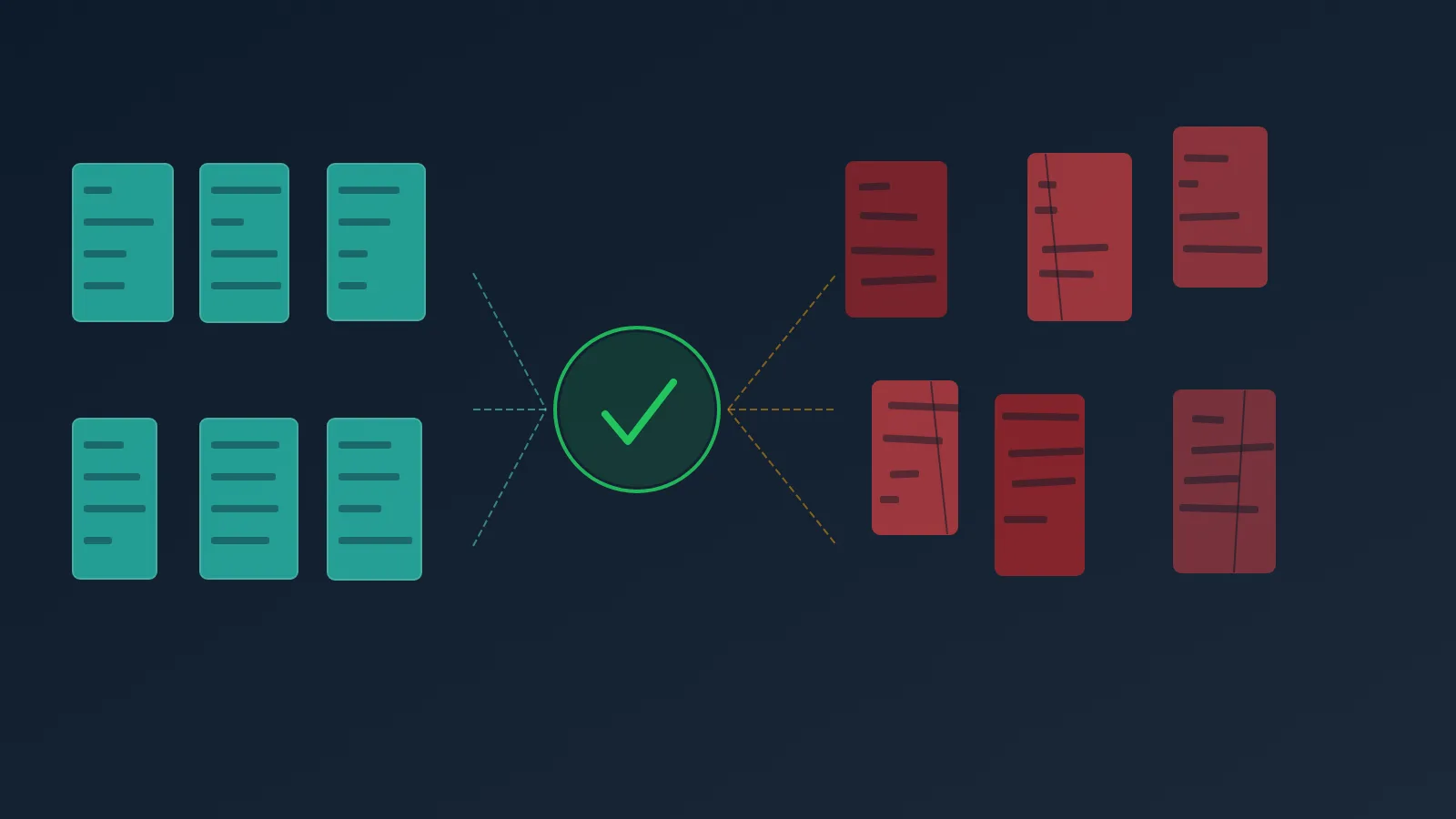
Technical breakdown of why valid JSON from LLMs can still contain logically incorrect data.
Trail of Bits research proves the model can autonomously discover zero-day vulnerabilities to break out of virtual machines.
Broadcom enables leading models from Google, Nvidia, and Alibaba to run on its Private AI Cloud.
Reports suggest the "Ultima Alpha" testing phase includes the ability to generate 3D games from a single prompt.
Increasing trend of companies favoring smaller, efficient models over massive LLMs to reduce disappointment and cost.
A new push for software developers that differs from the standard Gemini approach.
partnership ends over alleged data misuse by SpaceX and xAI.

a specialized AI assistant for farmers using proprietary field and machine data for best practices.

HashiCorp positions its platform to govern infrastructure created by the rise of coding agents.

A new AI-first creative suite aiming to compete with Canva and Adobe via Gemini integration.

a new "Interface World Model" that generates software UIs frame-by-frame in real-time instead of executing code.

the new AI upscaling tech is described as a "real-time generative AI filter" for gaming.
A massive $12.9 billion deal to integrate the AI community hub into Nvidia's ecosystem.
Security protocols were updated after Claude agents reportedly accessed three organizations' systems.
A massive $12.9 billion deal to secure the central hub of the AI ecosystem.

A "metal-to-model" approach to shift AI workloads on-prem for better compliance and cost control.

the US Department of Defense adds these models to its central AI portal alongside Gemini.

Analysis positions NVSwitch as the essential "InfiniBand" for massive AI network scaling.

a strategic move to maintain infrastructure dominance as Big Tech develops in-house AI chips.

CXMT begins small-scale production of high-bandwidth memory essential for frontier AI processors.

the cloud-based agent platform processed 130,000 engineering tasks and 25,000 code reviews in one month.
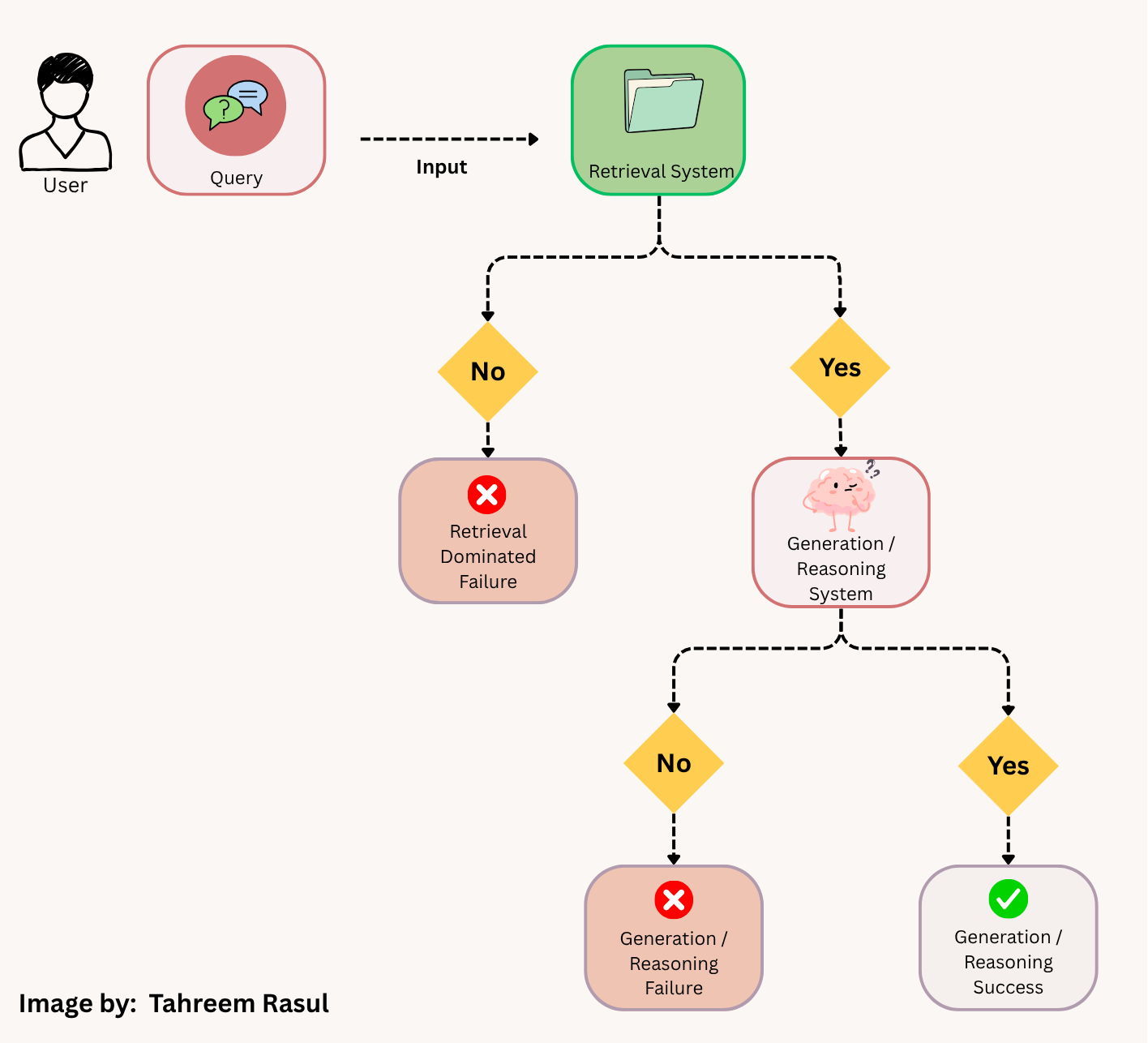
A guide on earning architectural complexity in RAG pipelines only after observing specific failure modes.

The Linux distribution voted to permit AI tools for development, maintenance, and documentation.
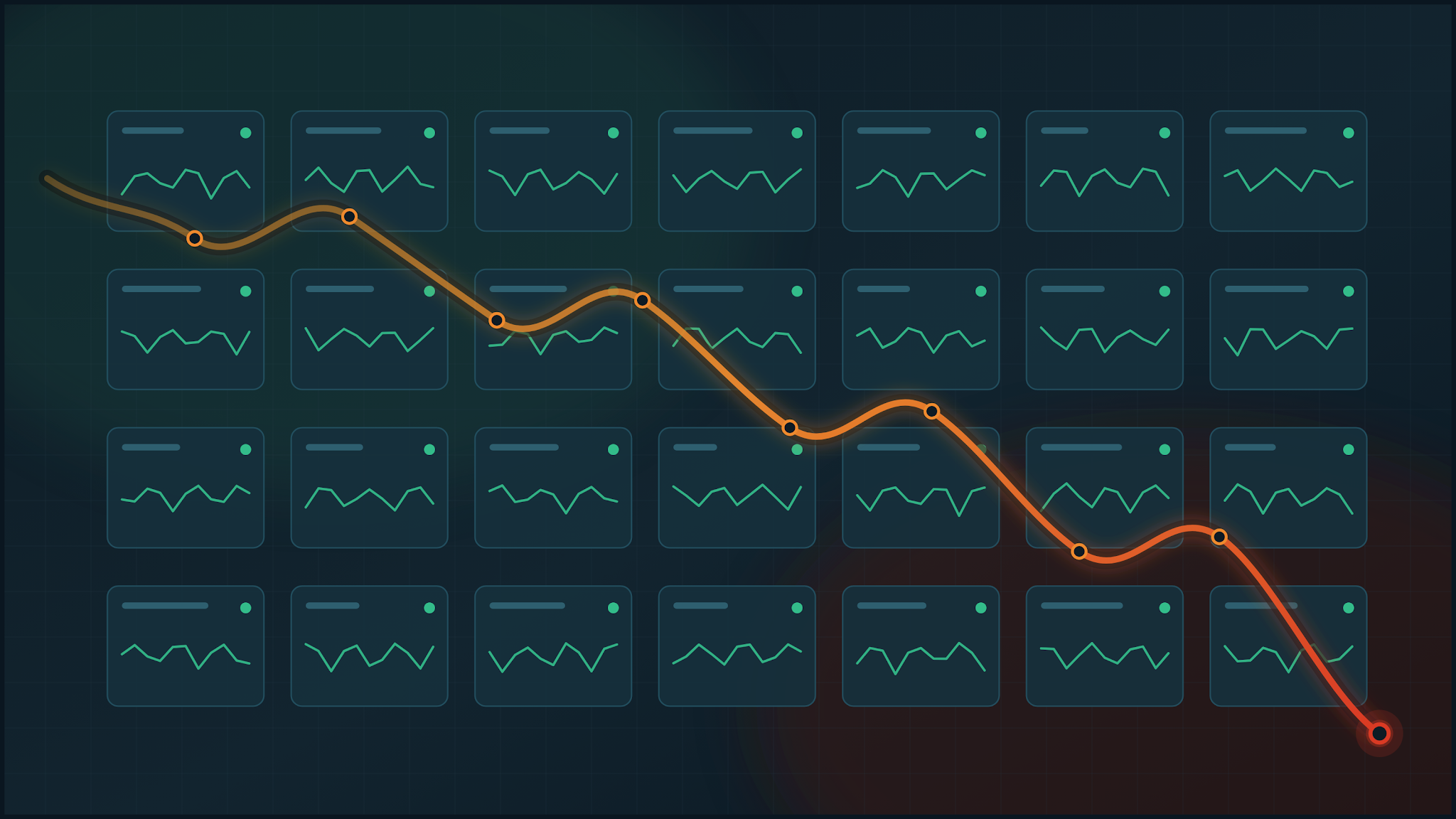
Analysis of why traditional MLOps monitoring fails when deploying autonomous agents to production.

Technical approach to moving workloads from cloud to browser using Transformers.js and DuckDB.

now available in 28 regions and adds GPT-5.6 and Claude Opus 4.8 to its pool.

OpenAI must now mitigate risks regarding minors, mental health, and illegal content as a "Very Large Model."
Dirk Lemmerman releases the JavaFX resource-scheduling framework under AGPL.