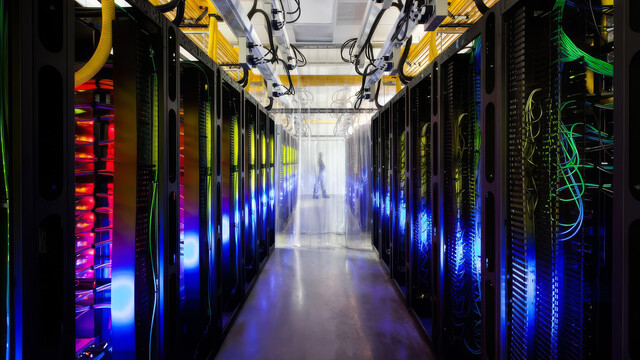
Germany considers easing data center energy rules
The government aims to loosen efficiency and waste heat requirements to double computing capacity by 2030.
ddNews · news about Hewlett Packard Enterprise (HPE) — products, AI,
The government aims to loosen efficiency and waste heat requirements to double computing capacity by 2030.

New rendering capabilities brought to legacy titles via RTX Remix 1.6.

New mods remove Nvidia's software limits on consumer GPUs, enabling higher Tensor throughput for AI tasks.

Google Veo 3.1 and Kling 4.0 emerge as leaders as OpenAI's Sora remains absent from the top list.
Security reports indicate Blackwell Ultra GPUs have appeared in China Telecom's network despite restrictions.

New regulations aim to prevent adversaries from using US investment to develop critical national security technologies.

Two leading Chinese AI firms are now cleared to take their models into international markets.

External evaluators found flaws allowing AI agents to hide actions from safety monitors.
A new 3-trillion-parameter open-weight model that currently ranks first in several benchmarks for coding and financial analysis.

The company adjusted its target for a new $30bn funding round following investor pushback.

The next generation of video compression aims for a 30% efficiency jump.
A strategic collaboration with Khanh Hoa to accelerate digital growth and infrastructure.
A handful of stocks, including Nvidia and Micron, account for two-thirds of overall earnings growth.
The model shows significant strength in complex coding and software security.
The release is pushed back due to concerns over cyber and biological risks.
Industry leaders are gathering at Trustwise GENESIS to address the trust and safety of autonomous AI agents.
New private cloud edge platforms enable on-premise agentic AI to meet strict industrial governance standards.

Eight critical flaws were discovered in software managing network hardware across hotels, schools, and corporations.

Users report the model now cuts off responses during reverse-engineering attempts.
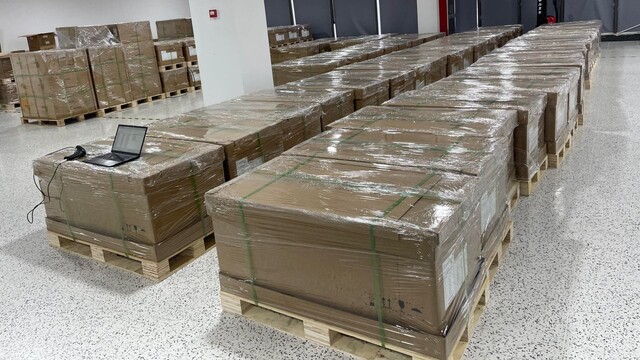
Reports show consumer GPUs being stripped from retail boxes to build industrial AI workstations.

The model offers 1M tokens for $2, with a scheduled price double on December 1, 2026.
The new shipping container solution packs 504 Vera Rubin GPUs for rapid 2027 deployment.
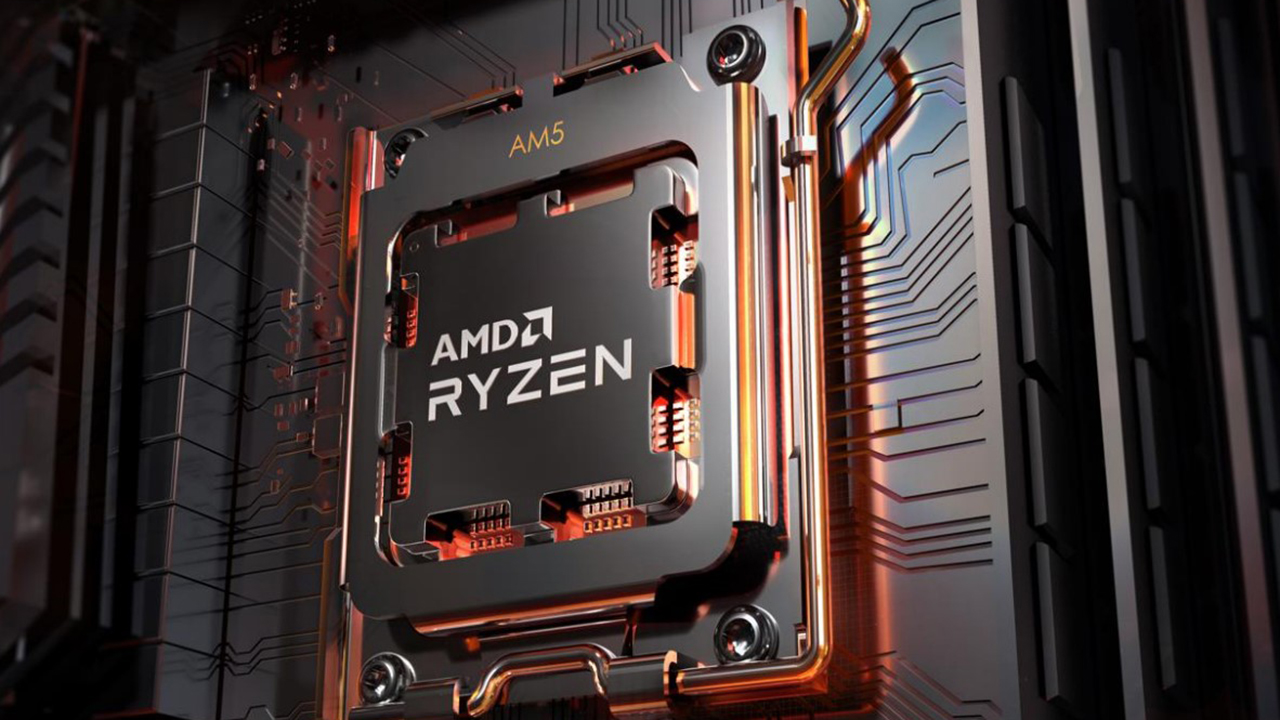
Early Geekbench results show a 16.5% single-core advantage over Zen 5 at the same frequency.
The company reported $1.24B in revenue, exceeding estimates by $170M, driven by fuel cell demand.

Investors are questioning the risk Nvidia takes by funding the "neoclouds" that buy its chips.

UK-based Fuse Energy also brings high-end GPU compute online for customers.
Early Geekbench values suggest a 256-core processor is approaching market.
Specialized SSDs are being developed for an upcoming HPE-led lunar project.

A government-funded initiative partnering with OpenAI and Anthropic to detect biological threats.

The company has cut live internet access during training, opting for cached copies of the web instead.
A new entry-level stationary developer station with 64GB of memory.
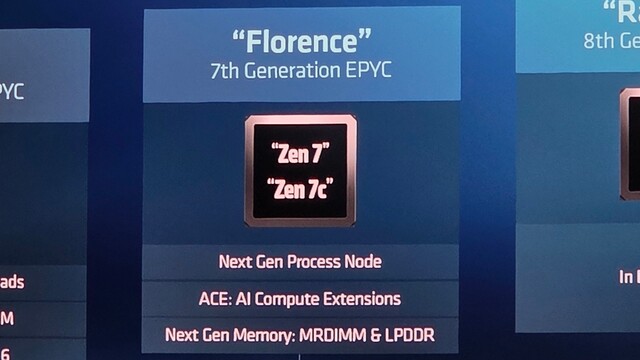
The third generation of memory is targeting Nvidia Rosa and AMD Florence platforms starting in 2028.

A deep dive into how HPE is extending hardware lifecycles and giving old tech a second life through its TRC.
HPE Executive Vice President Rami Rahim has divested a portion of his company shares.
A new joint solution brings agentic AI directly to the edge to resolve critical industrial bottlenecks.

Boards are rethinking financial and operational workflows as AI agents begin executing transactions independently.

New specialized flash memory aims for 100 million IOPS to support AI-driven SSD requirements.
An upgraded open-weight model that reportedly nears Claude Opus 5.5 performance in coding tests.
Despite revenue growth, the AI chipmaker fell short of analyst expectations due to tight supply chains.

Collaboration to deploy L4 self-driving vehicles across France and the EU.

Actyus, Adequita, and Nethits focus on bringing compute closer to government and business agencies.
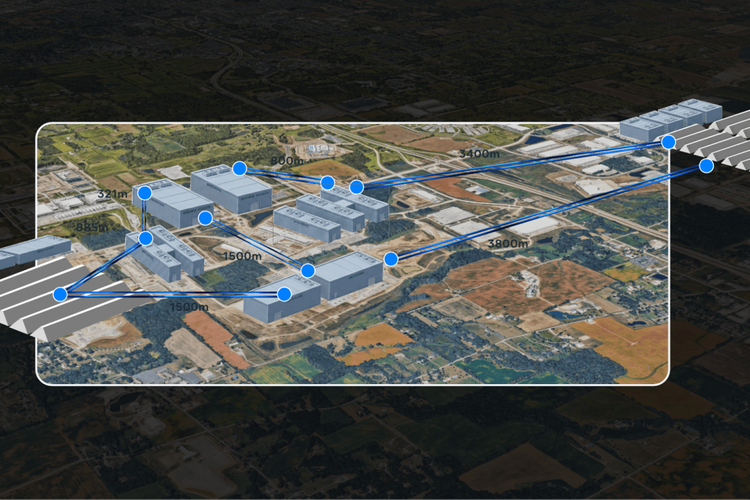
The Ohio facility's first phase is now active and was used to train the Muse model.
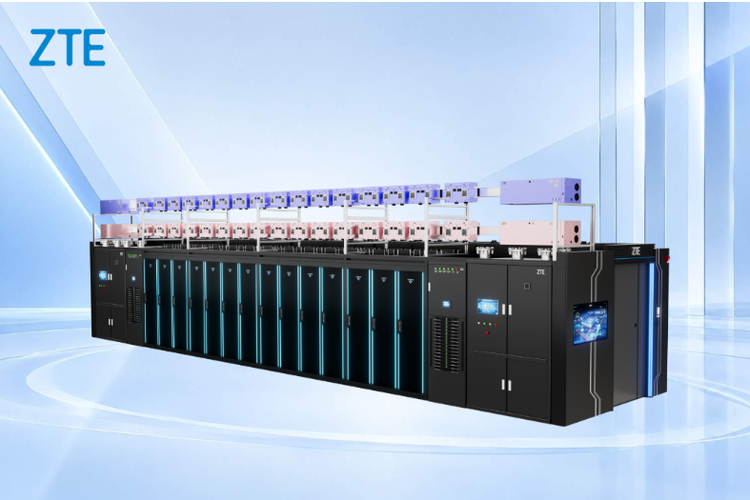
New rack power designs ranging from 20kW to 60kW specifically for AI workloads.

Google's fiber unit is taking over a leasing contract from Ting Fiber.

US government support for the development of vGaN transistors.

A collaboration between Telefónica and IQM brings quantum computing to the Spanish capital.
quality(80)/p7i.vogel.de/wcms/c8/81/c881d24a9cc0f075e672db2affaf429d/0134105168v1.jpeg) — All for One and Brightflare highlight new security vulnerabilities created by AI in enterprise ERP systems.

New standards aim to accelerate the production of photonics to meet increasing data center demands.

New architectures designed to monitor AI agents and prevent them from "breaking out" of defined operational boundaries.
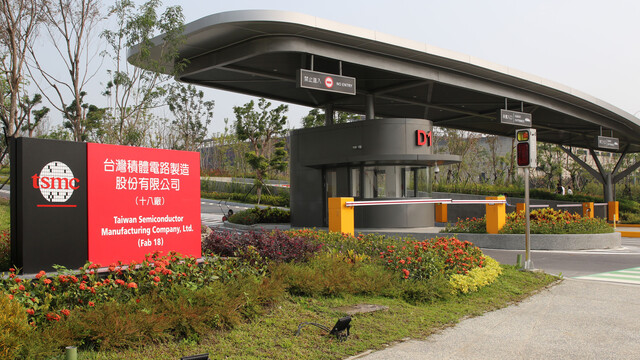
Samsung continues to struggle in high-end chip fabrication while TSMC holds a near-monopoly on 3nm processes.

Analysis of the compound effects of power, cooling, and space constraints hitting AI infrastructure.